Adro
- Home
- /
- Territorio
- /
- Adro
- /
- Adro
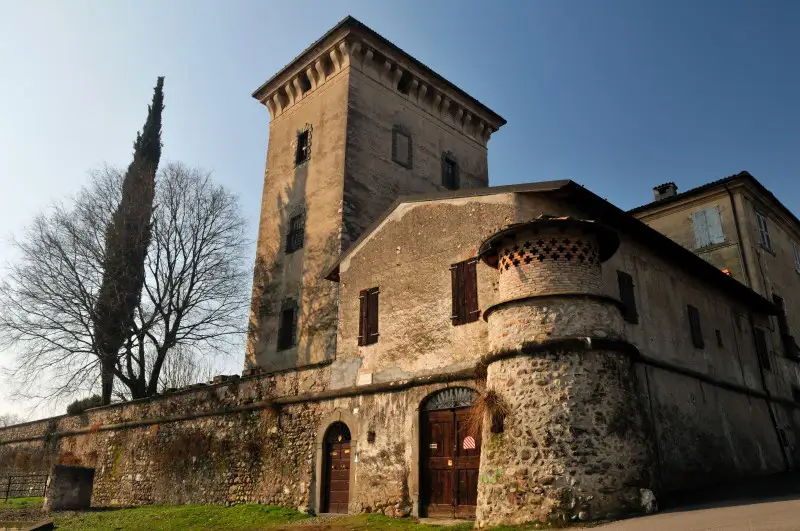
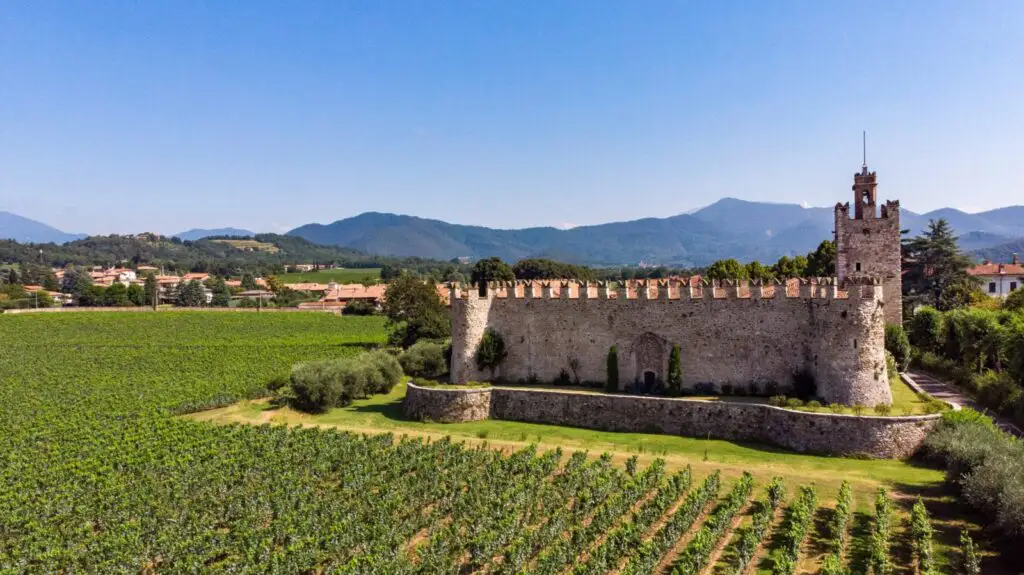
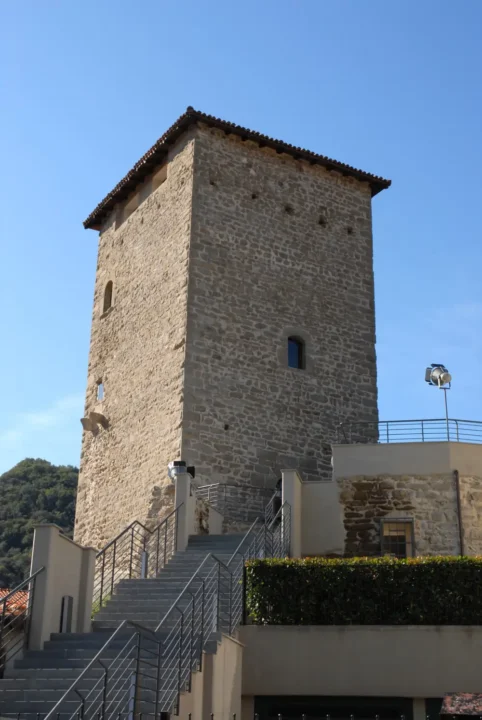
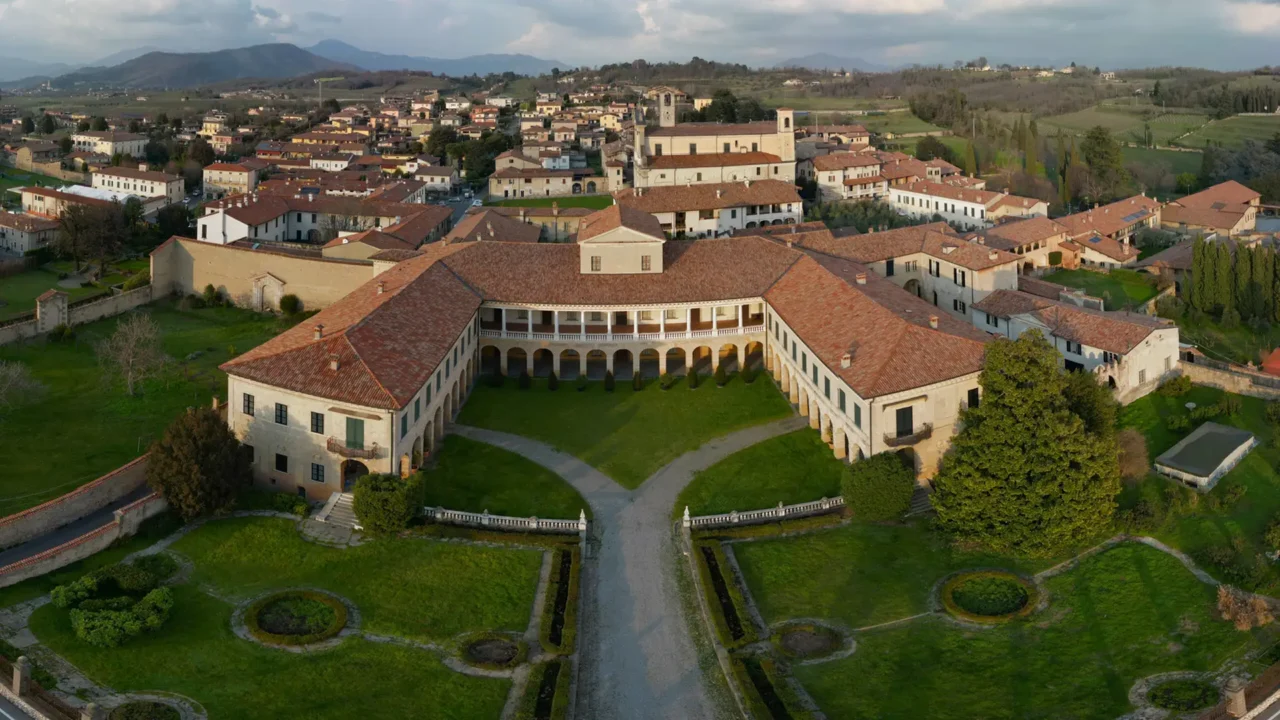
Located at the foot of Monte Alto, the village consists of the main town and the hamlet Torbiato. The original settlement had a defence system, of which only 14th-century ruins remain: the Ghibelline tower, the symbol of the town, and an entrance gate, the only intact remnant of the ancient castle. Historically, it was a hub for textile production, thanks to the presence of numerous spinning mills, operational until the early 1900s.
WHAT TO SEE
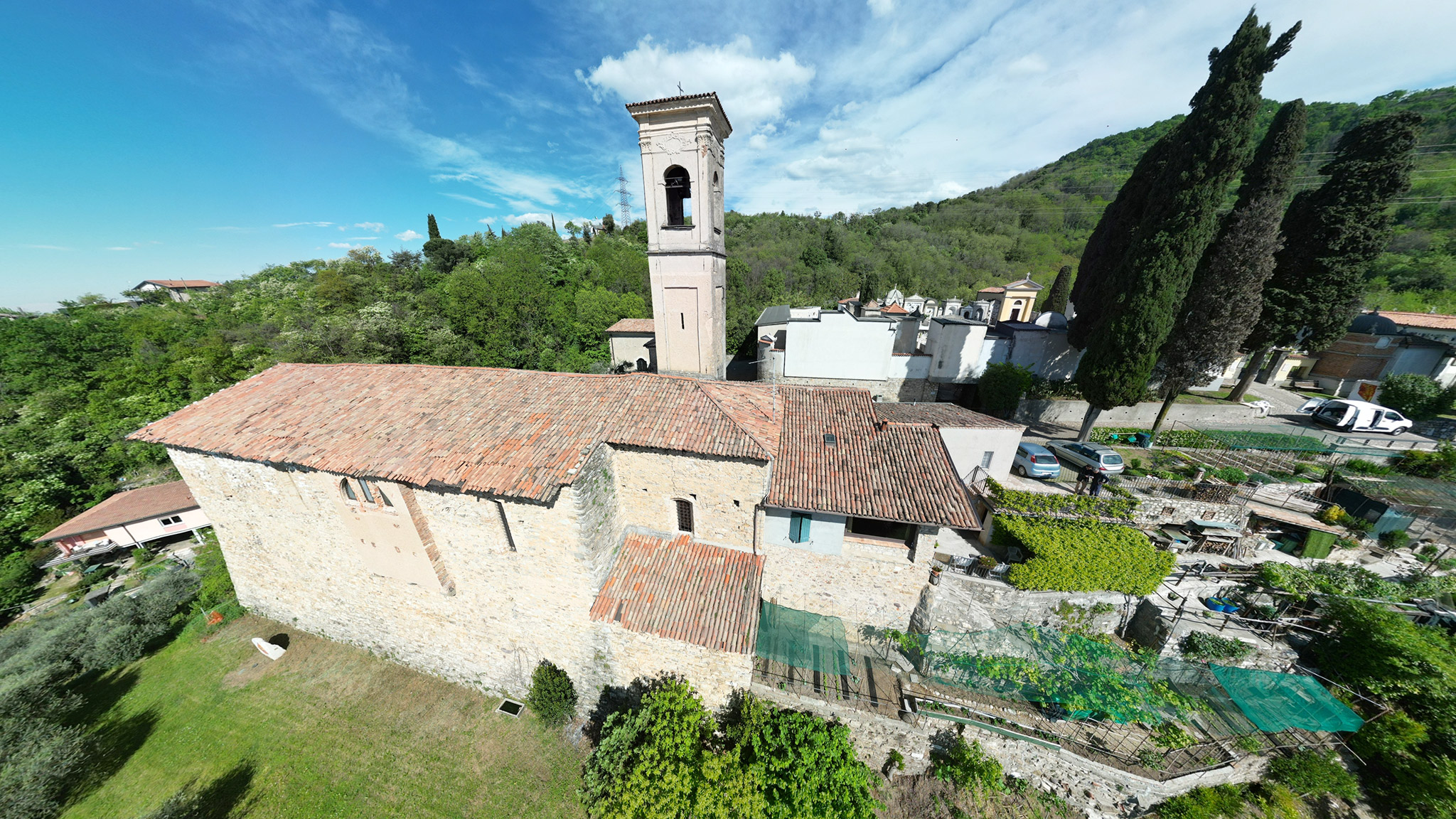
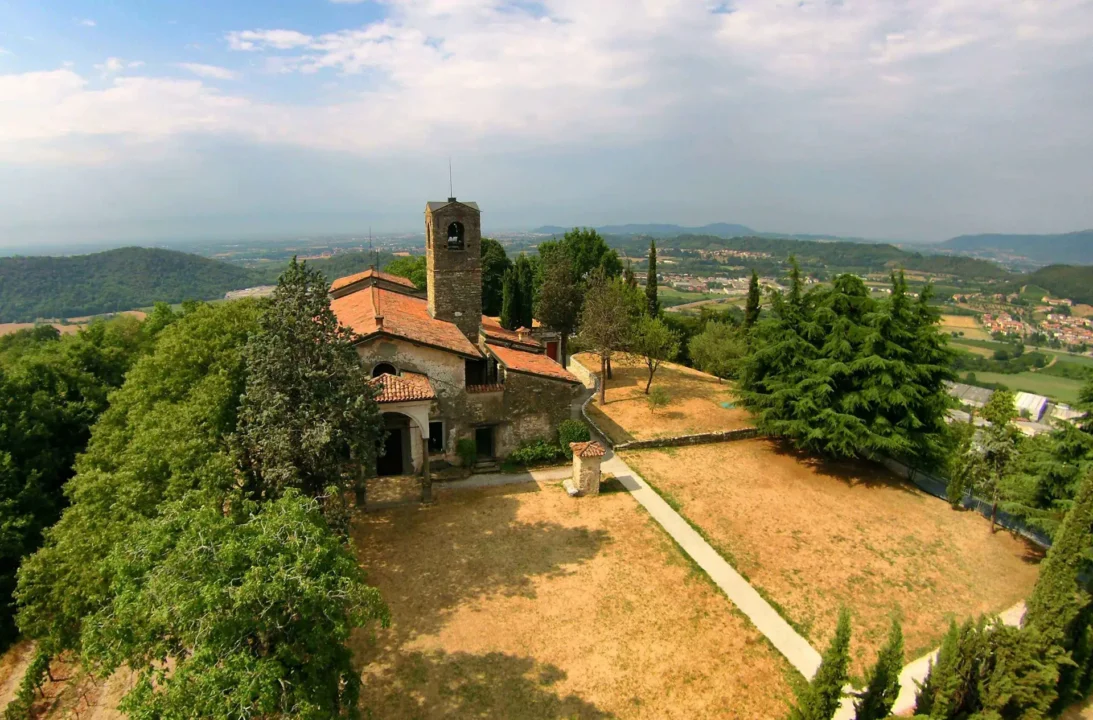
Church of S. Maria Assunta –Built on a hill and forming part of the ancient castrum, this 15th-century church, also known as Santa Maria in Castello, is a true gem of Adro’s historical heritage. Particularly noteworthy is the cycle of frescoes painted in the 16th century by Ferramola.
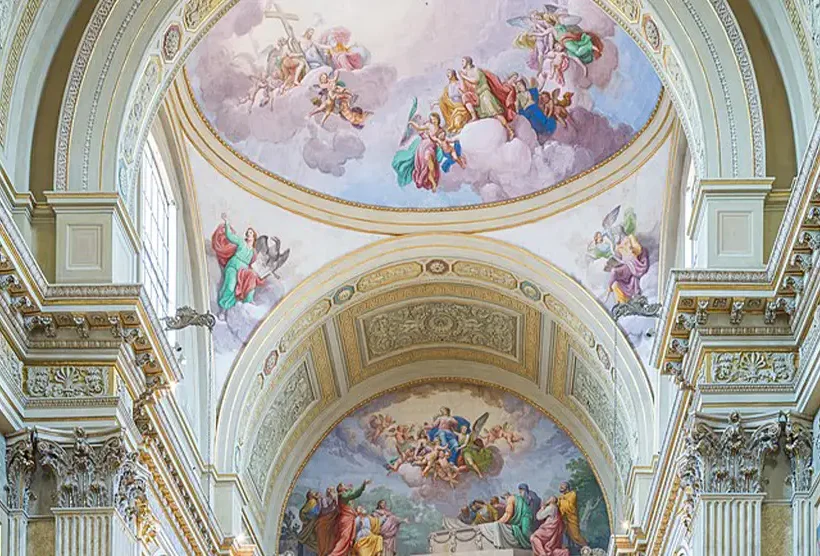
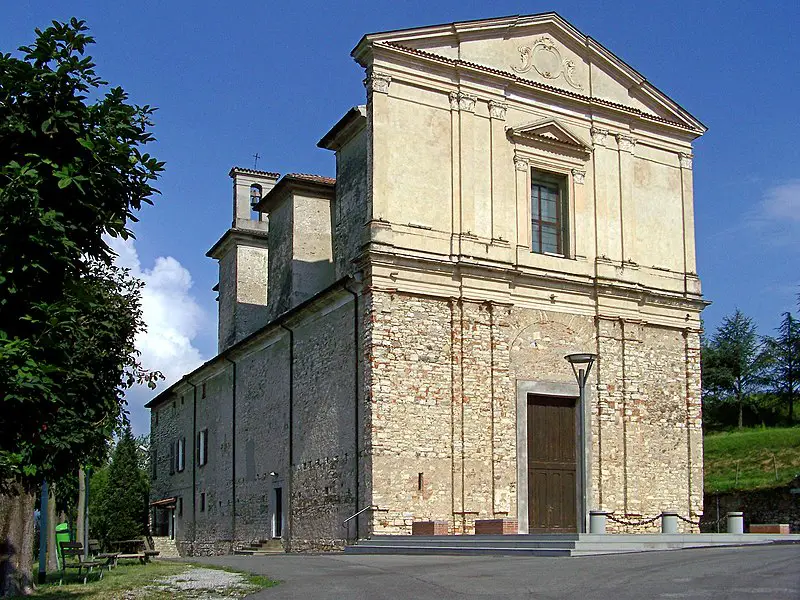
Church of San Giovanni Battista – Located in the town centre, the new parish church (17th-18th centuries) is rich in Baroque friezes and decorations, with works by Fantoni da Rovetta. Inside, it houses a museum with finely embroidered sacral vestments.
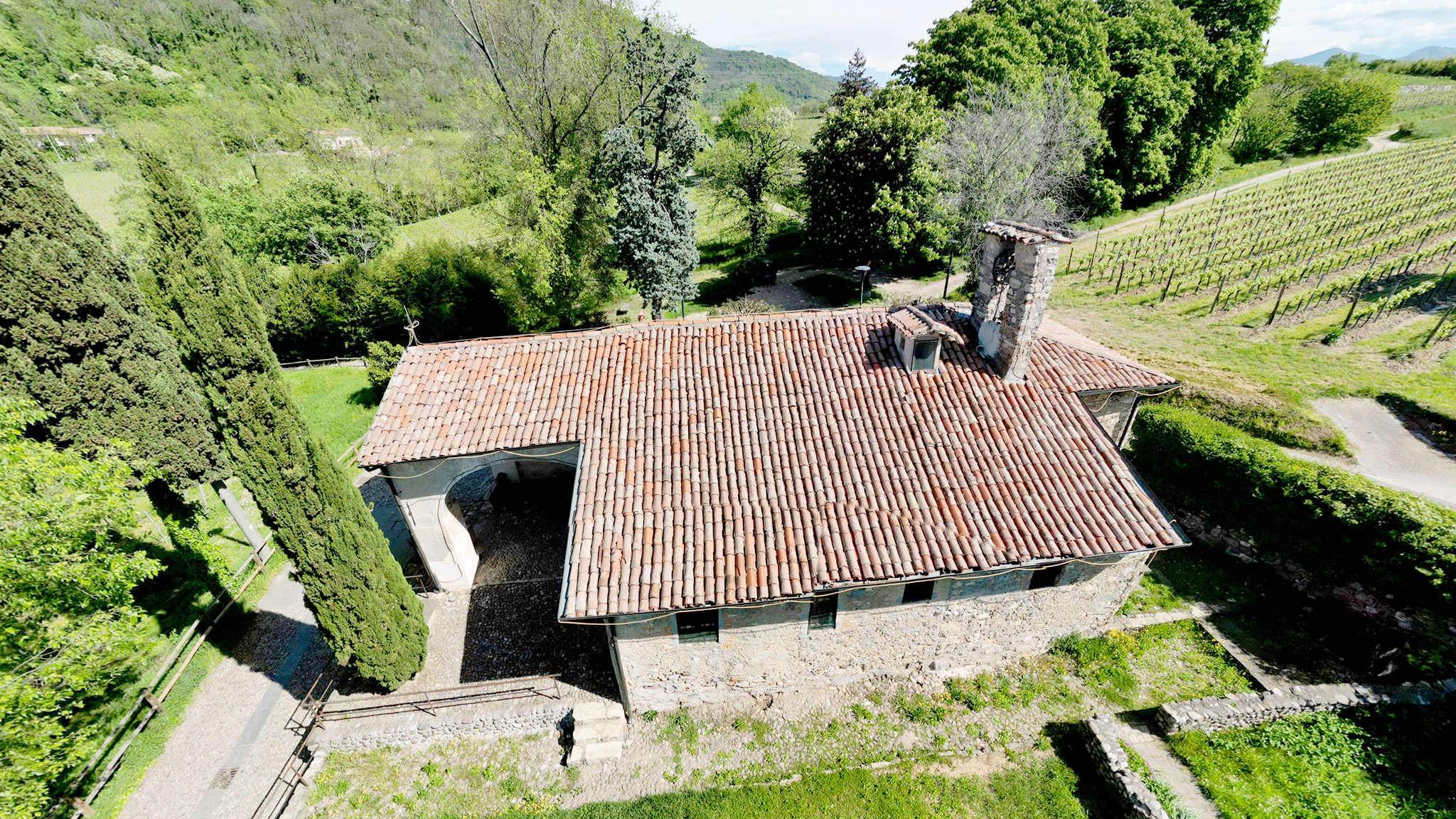
Church of Santa Maria in Favento – At about one kilometre from the centre, it was built in the 13th century and later decorated with frescoes dating back to the 15th and 16th centuries.
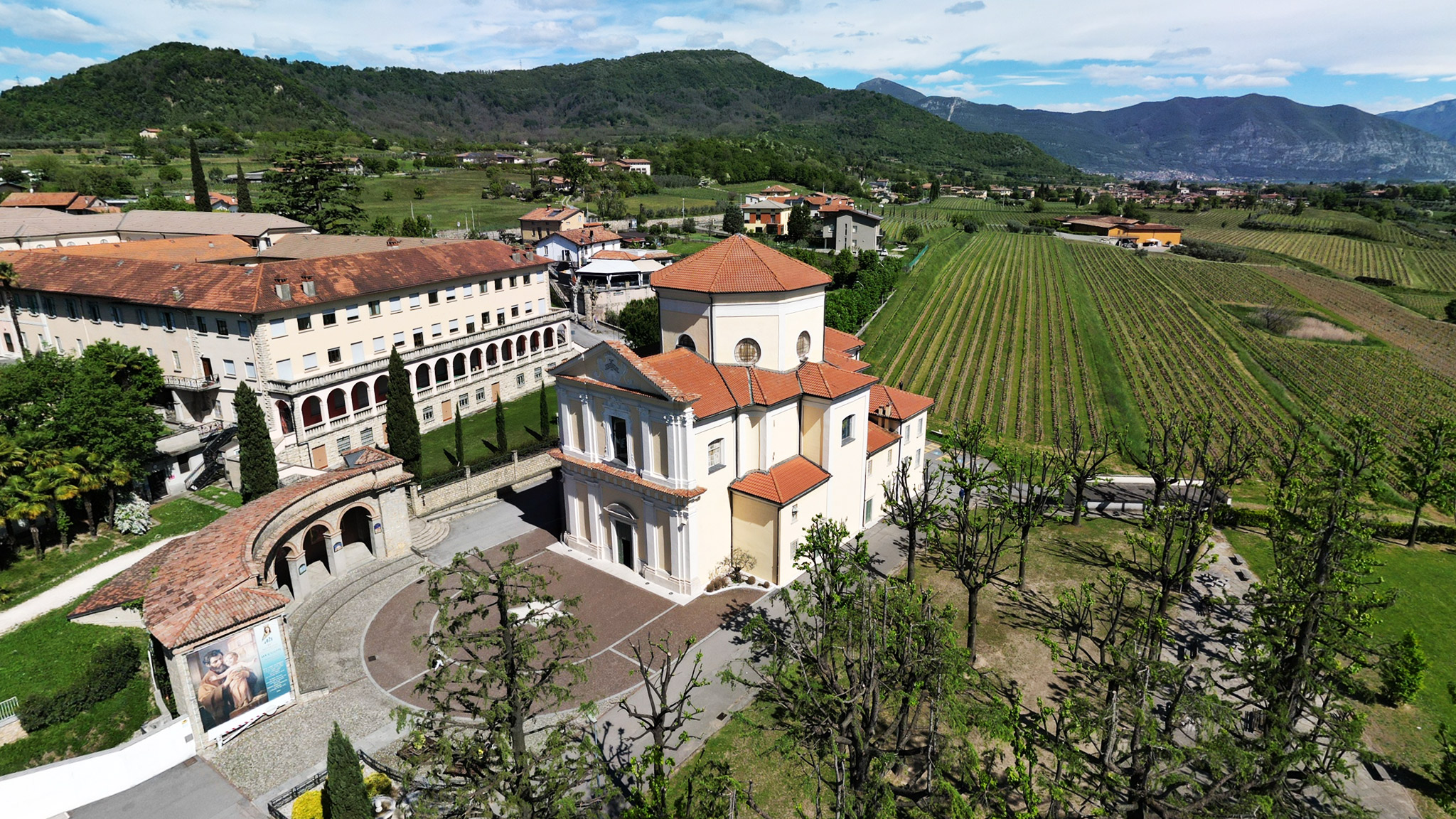
Sanctuary of Madonna della Neve – On the border with Torbiato, it was founded in the 18th century by the Discalced Carmelite friars, who transformed the simpler and smaller early 16th-century church into a building with a central cruciform layout. The construction of Adro’s Sanctuary is linked to an apparition of the Virgin Mary on July 8th, 1519, to a young deaf-mute shepherd.
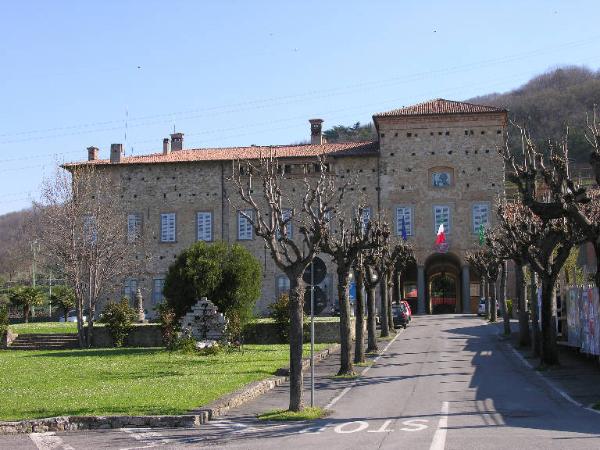
Bargnani – Dandolo Palace – Today serving as the town hall, this historic building with its austere façades houses a famous portrait by Pitocchetto. Donated by the widow of Count Tullio Dandolo, the palace is the result of several construction phases that shaped its volumes, giving it an eclectic appearance. Adjacent to the palace stands the coeval Cappella Gentilizia, notable for its original elliptical plan.
Parish Church of Saints Faustino and Giovita – In the hamlet Torbiato, the 18th-century parish church dedicated to Saints Faustino and Giovita hosts an altarpiece by Antonio Paglia.
HIGHLIGHTS
Sanctuary Festival – Today, the Sanctuary represents the destination of several religious pilgrimages. Every year, on August 5th, a feast is celebrated, with masses, processions, religious rites and a traditional fair with stands selling typical products.
WALKS AND EXCURSIONS
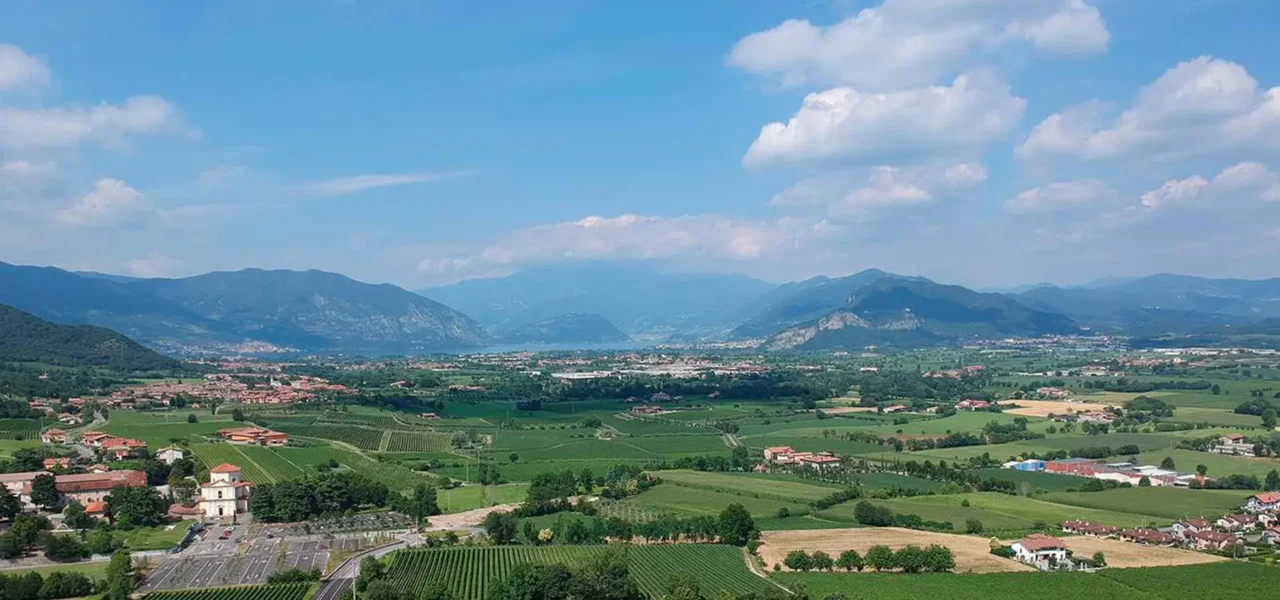
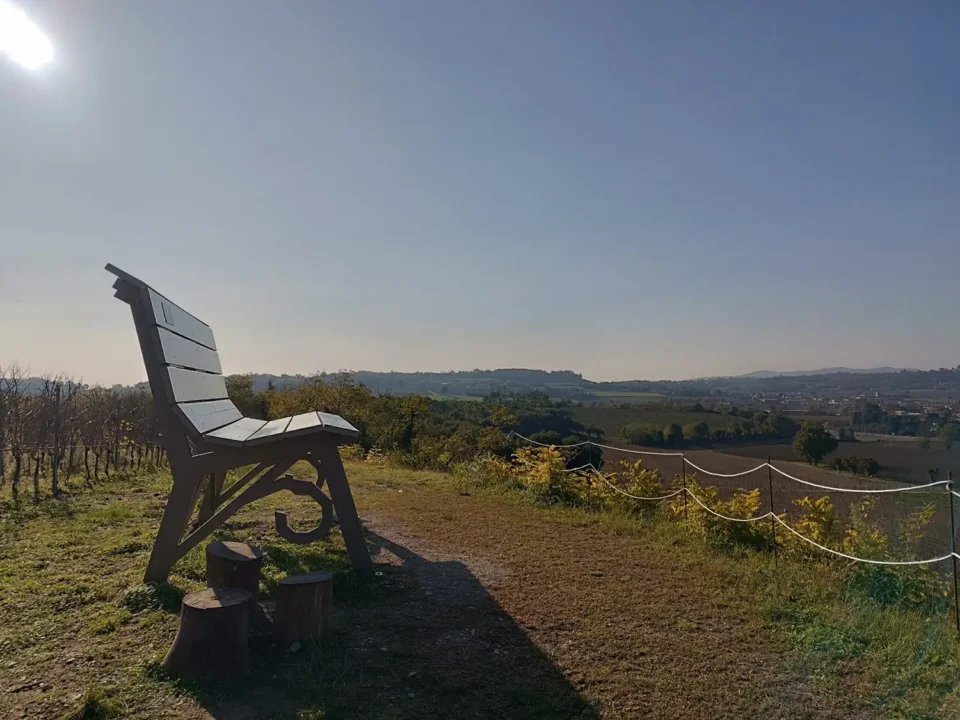
Monte Alto – The nearby located Monte Alto offers various trails for pleasant walks. The most enchanting is the one that from the Parish Church of San Giovanni Battista leads first to the Church of Santa Maria Assunta and, in less than an hour, to the cross located at the top of the mountain, with a circular route of about 7 kilometres, easy and suitable for everyone, with views of Franciacorta and Lake Iseo.
La Via delle Sorelle – The third stage of La Via delle Sorelle passes through Adro. It is a 130-kilometre way connecting the cities of Bergamo and Brescia, celebrated in 2023 as the Italian Capital of Culture.
FUN FUCT
Adro is known for the popular saying “Laurà per la cesa de Ader” (to work for the church of Adro), meaning “work for free,” referring to the fact that the residents contributed to the construction of the church voluntarily and free of charge.
INFO SHOPPING
The weekly market takes place every Saturday from 08:00 to 12:00 in Piazza Padre Costantino.
HOW TO GET THERE
By bus – Adro is served by the ARRIVA bus company, specifically the LS025 line from Brescia to Paratico, with stops also in Ospitaletto and Erbusco. The bus stop is on Via Provinciale. Info and timetables: Arriva Italia
WINERY VISITS AND TASTINGS
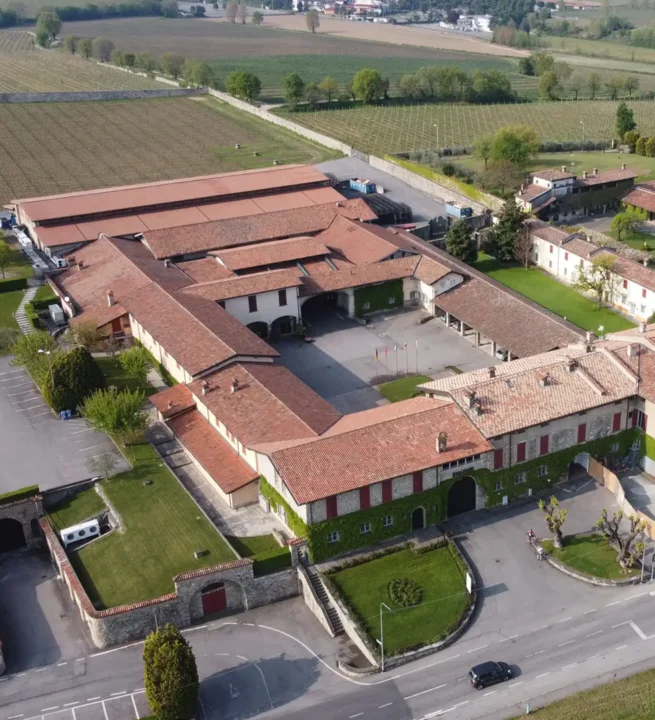
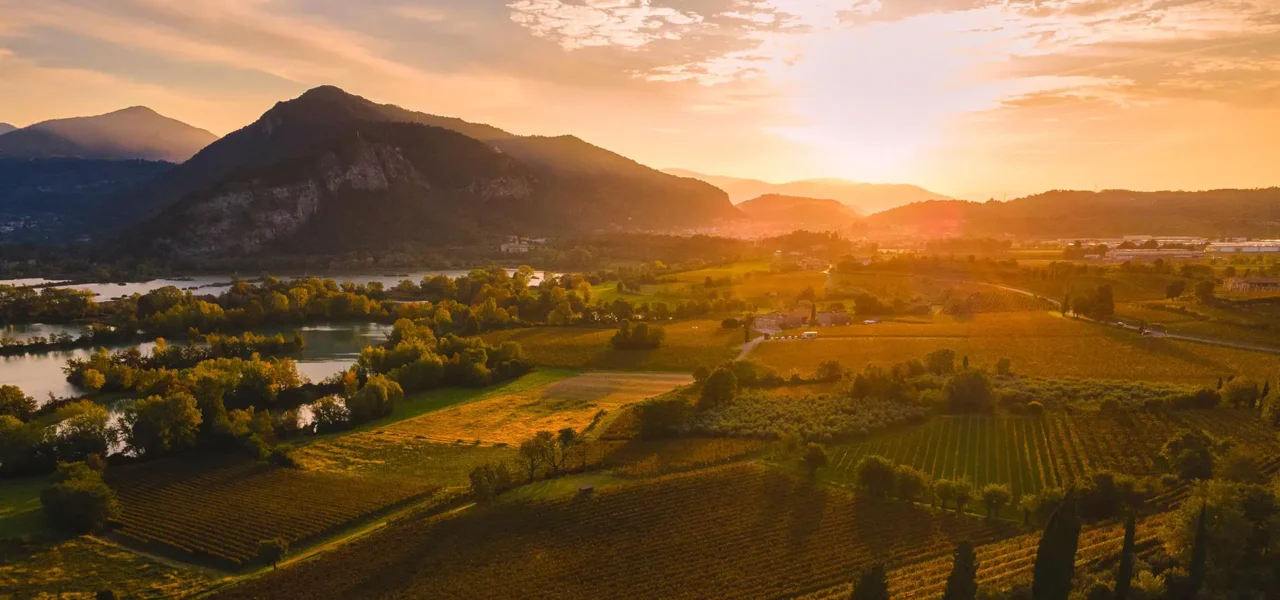
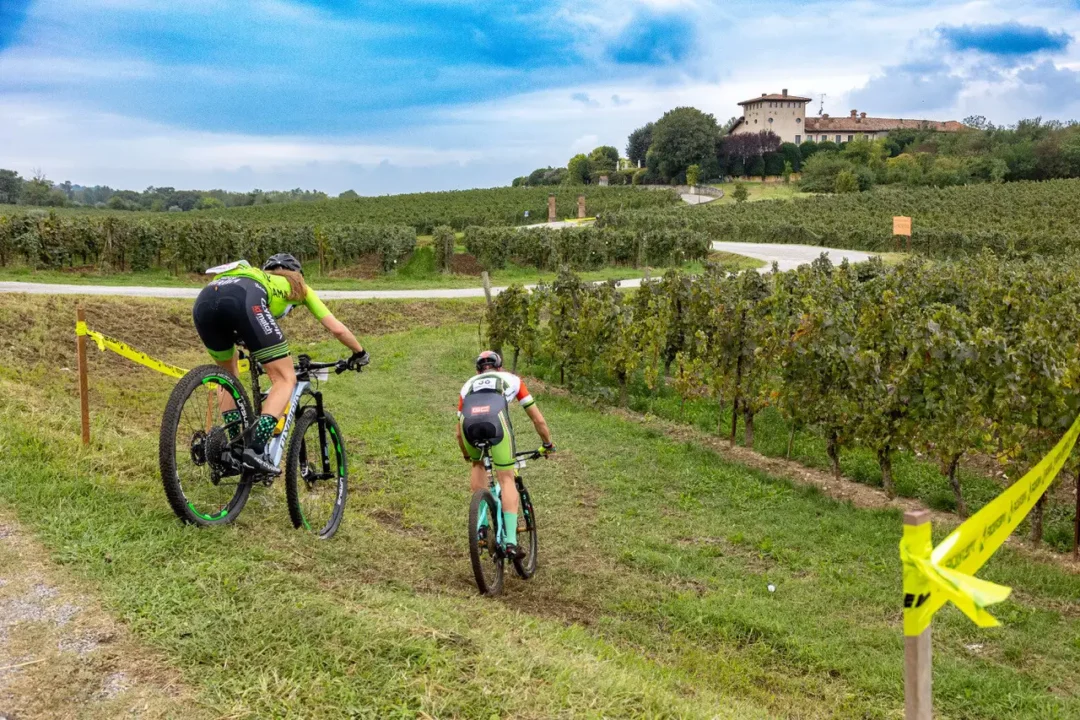
Traditionally an agricultural town, Adro has in recent decades become a vast vineyard area, home to numerous wineries that are well worth visiting: