Villa Damioli
- Home
- /
- Arte e cultura
- /
- Historical buildings
- /
- Villa Damioli
From Porta Mediolanensis to the Cicogna–Rampana Foundation
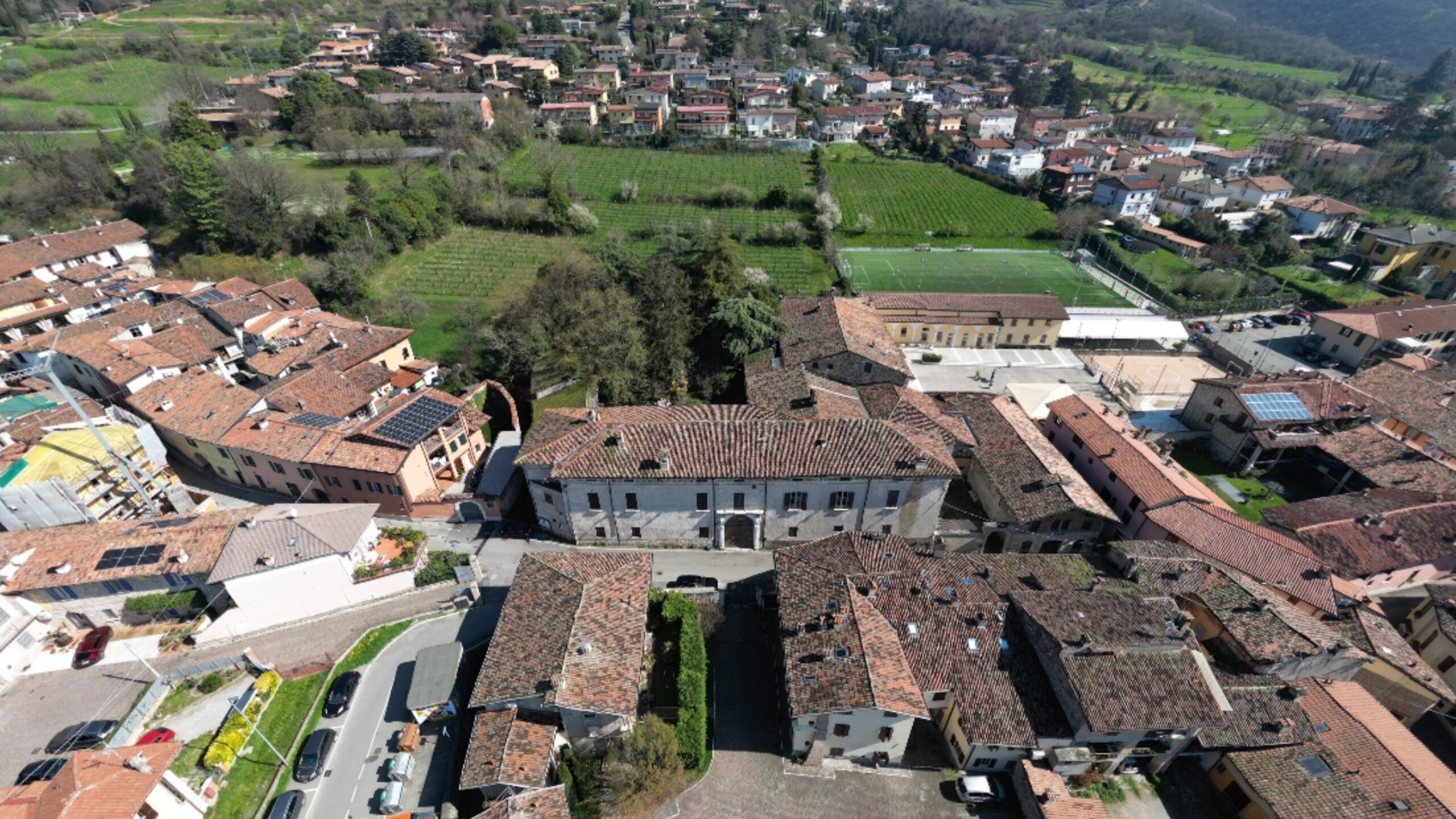
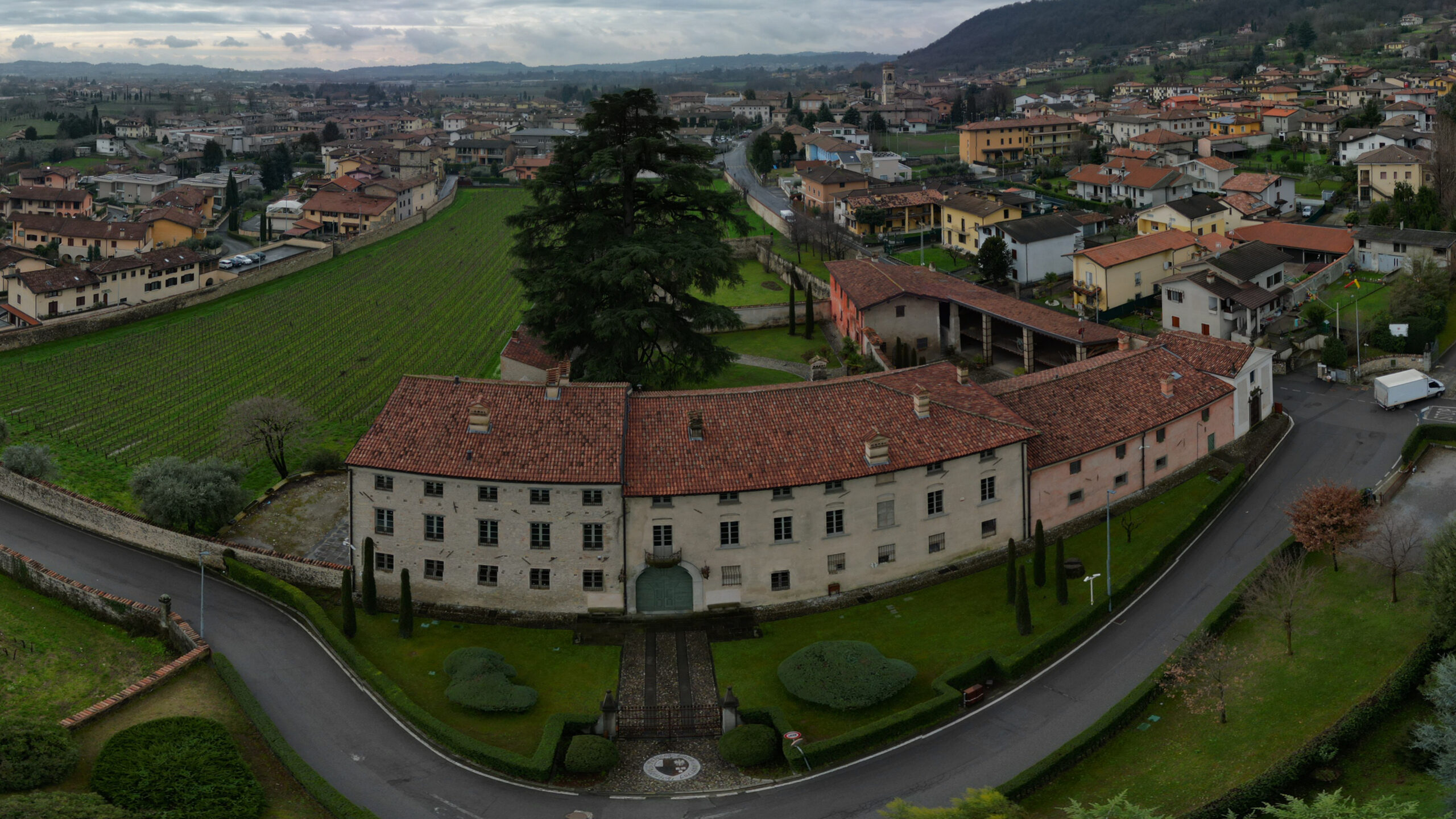
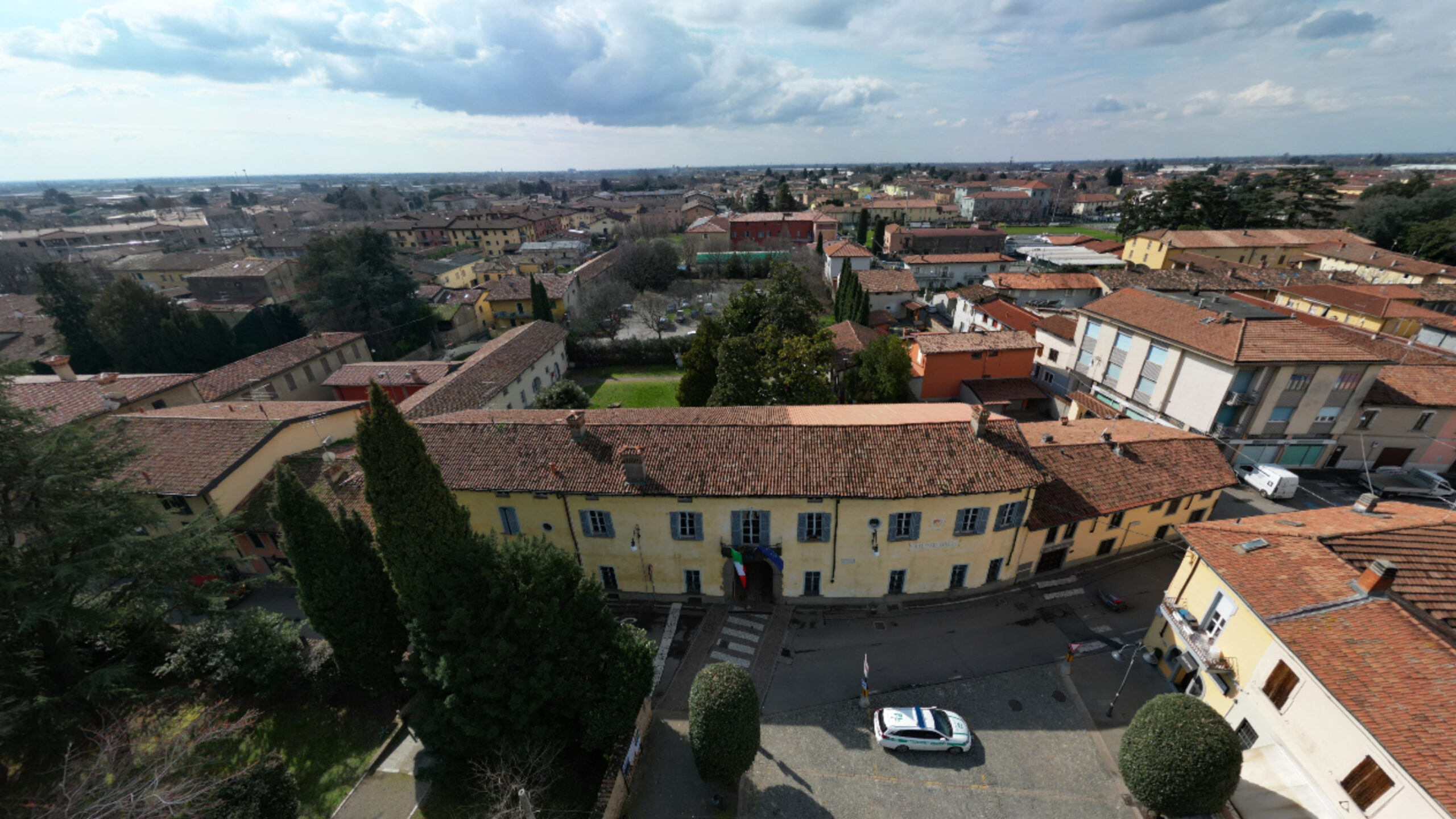
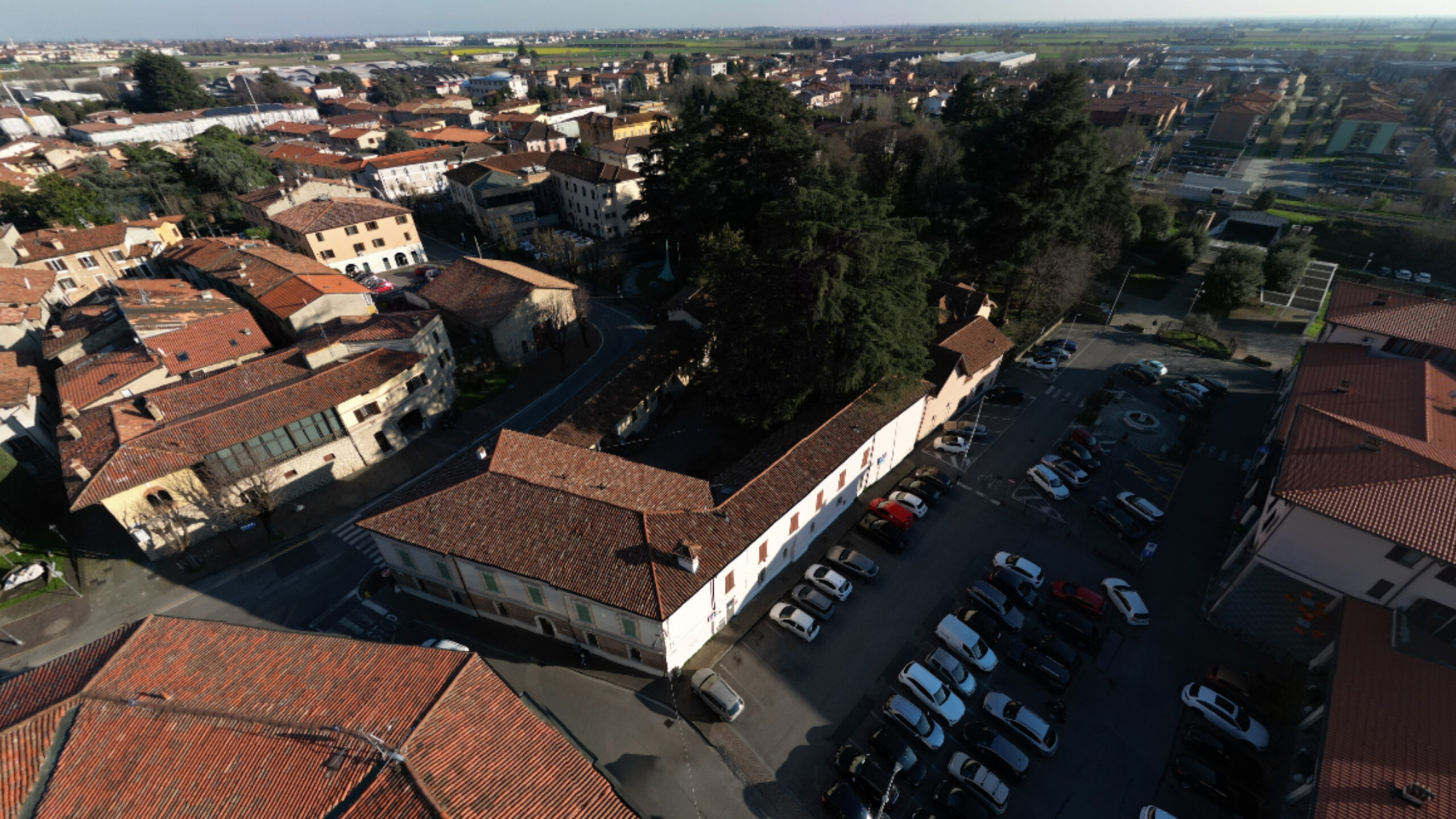
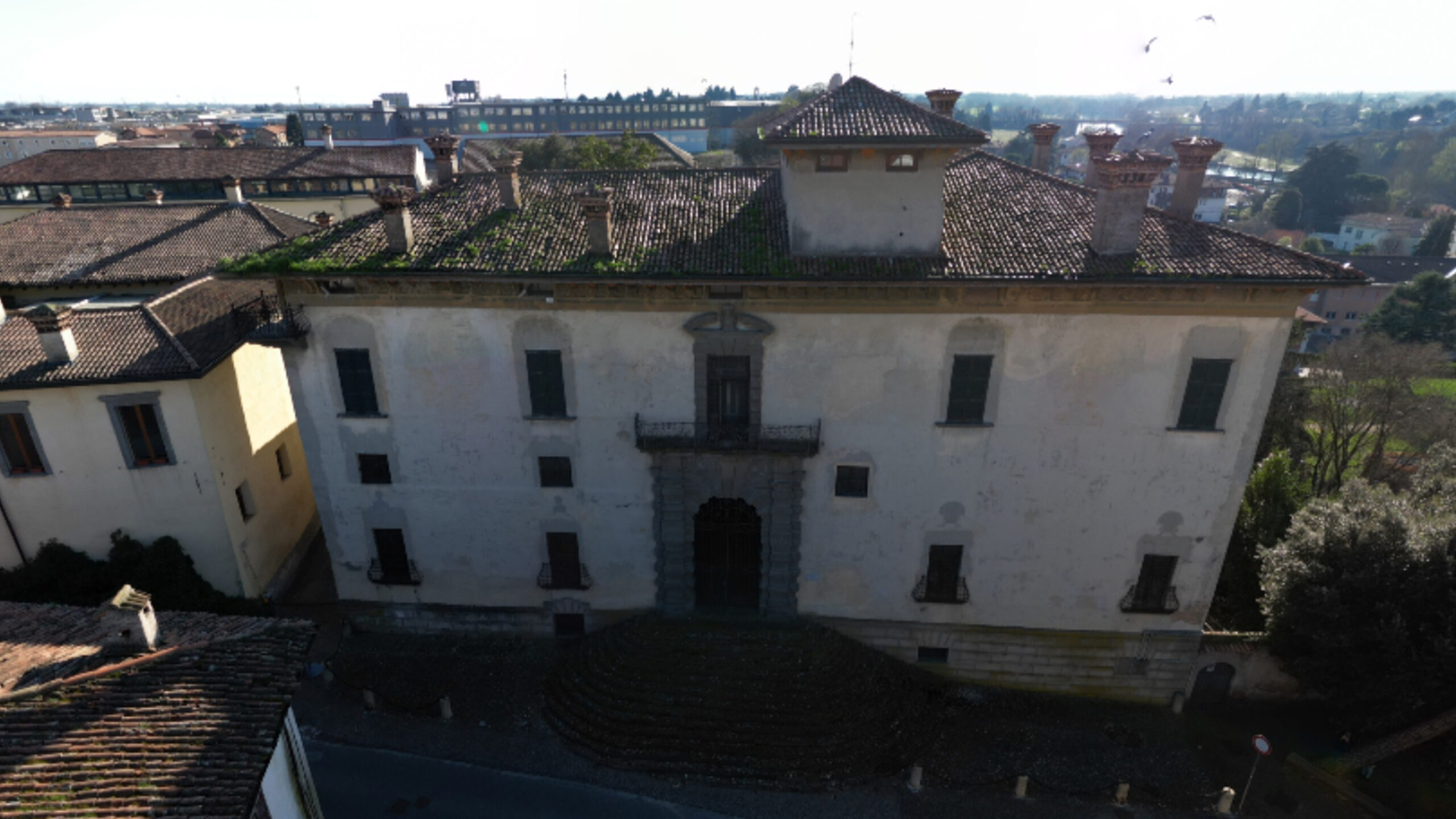
Located outside the city walls, just beyond the Porta Mediolanensis—also known as the “Porta di Mura”, the building is now home to the Cicogna–Rampana Foundation.
From a rural building to a stately home
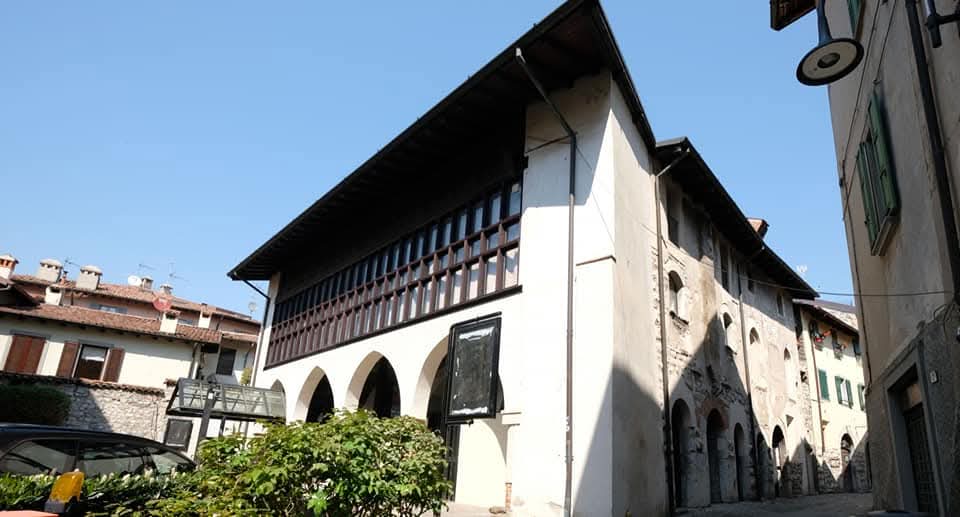
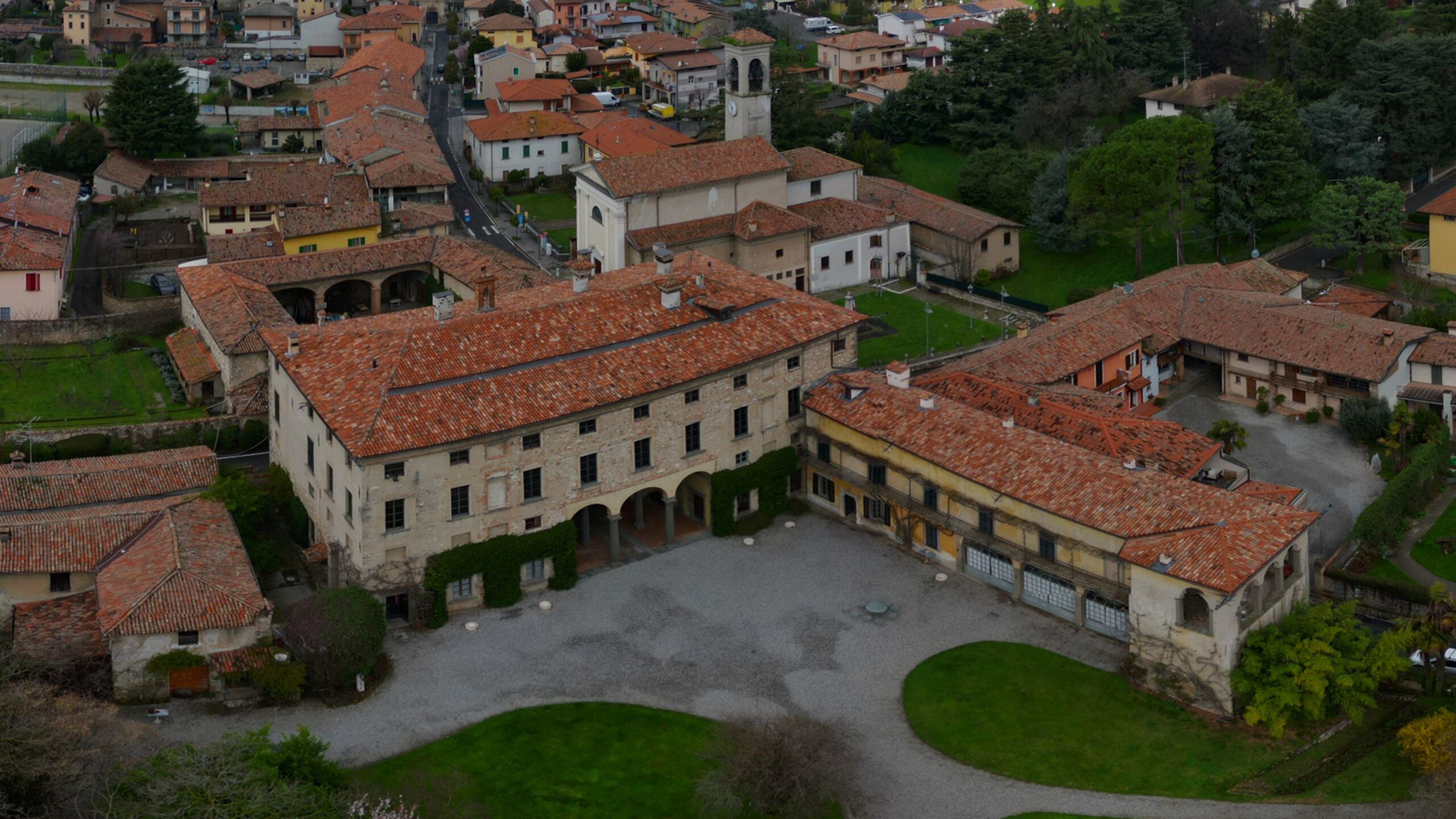
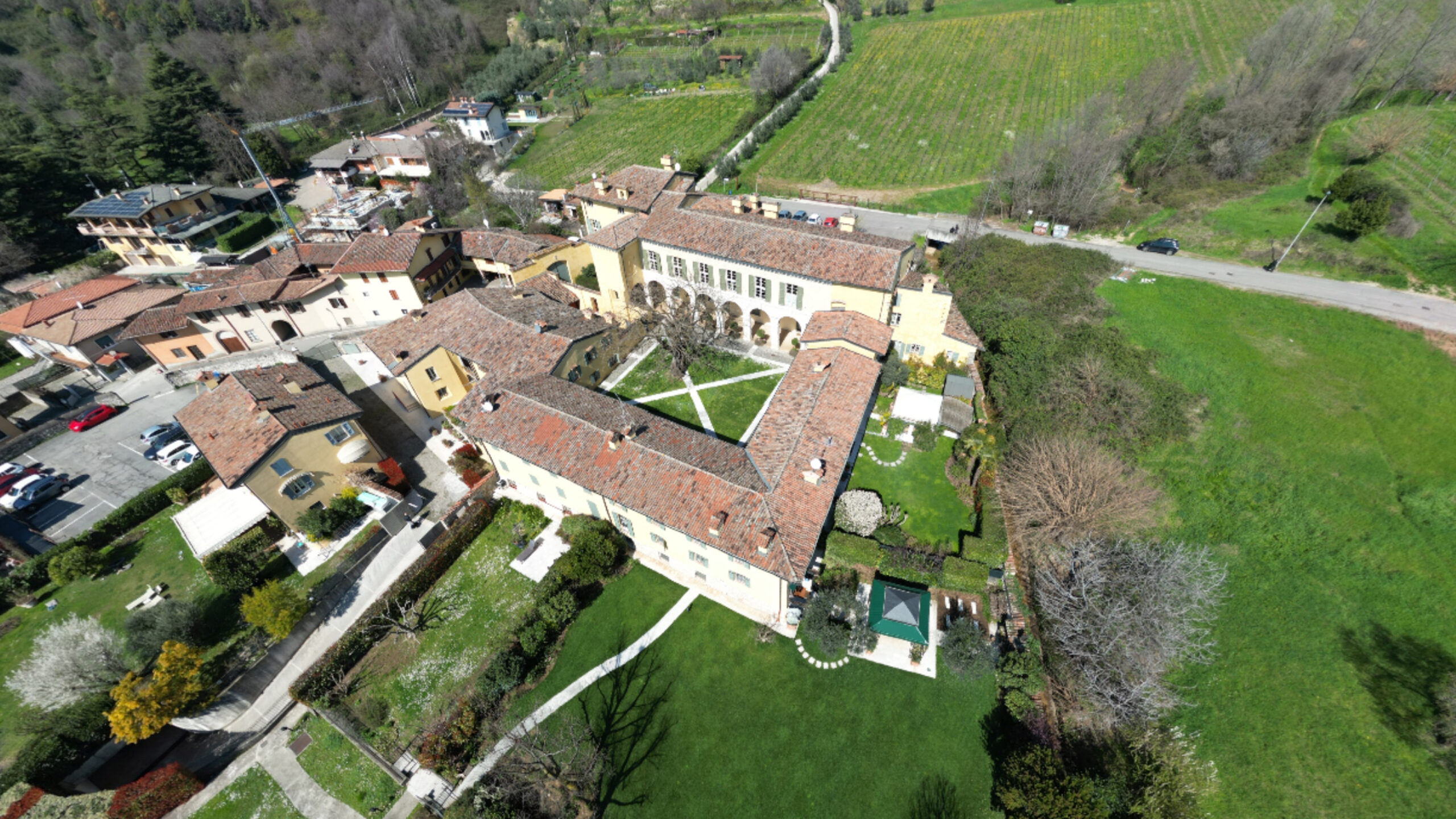
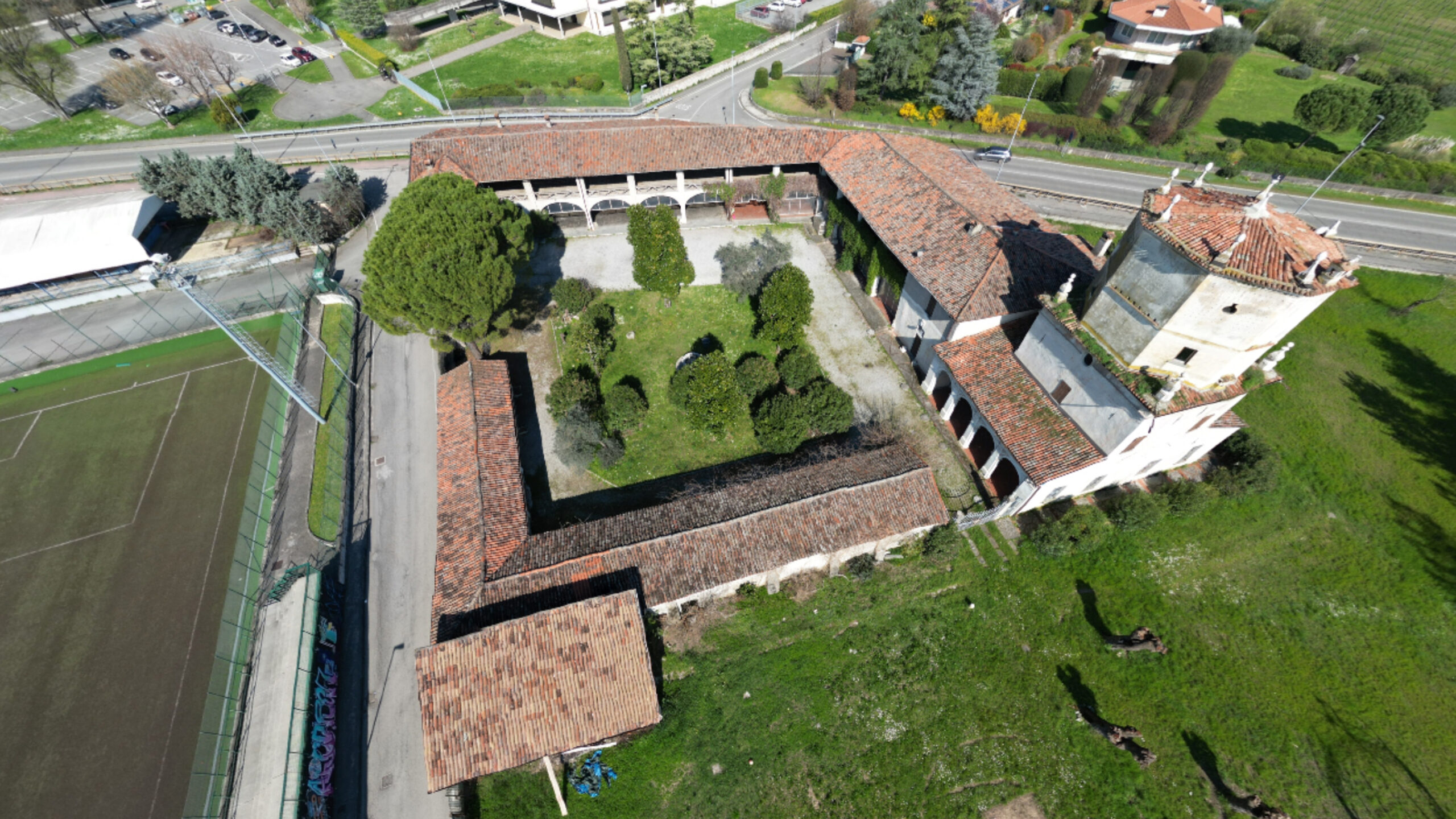
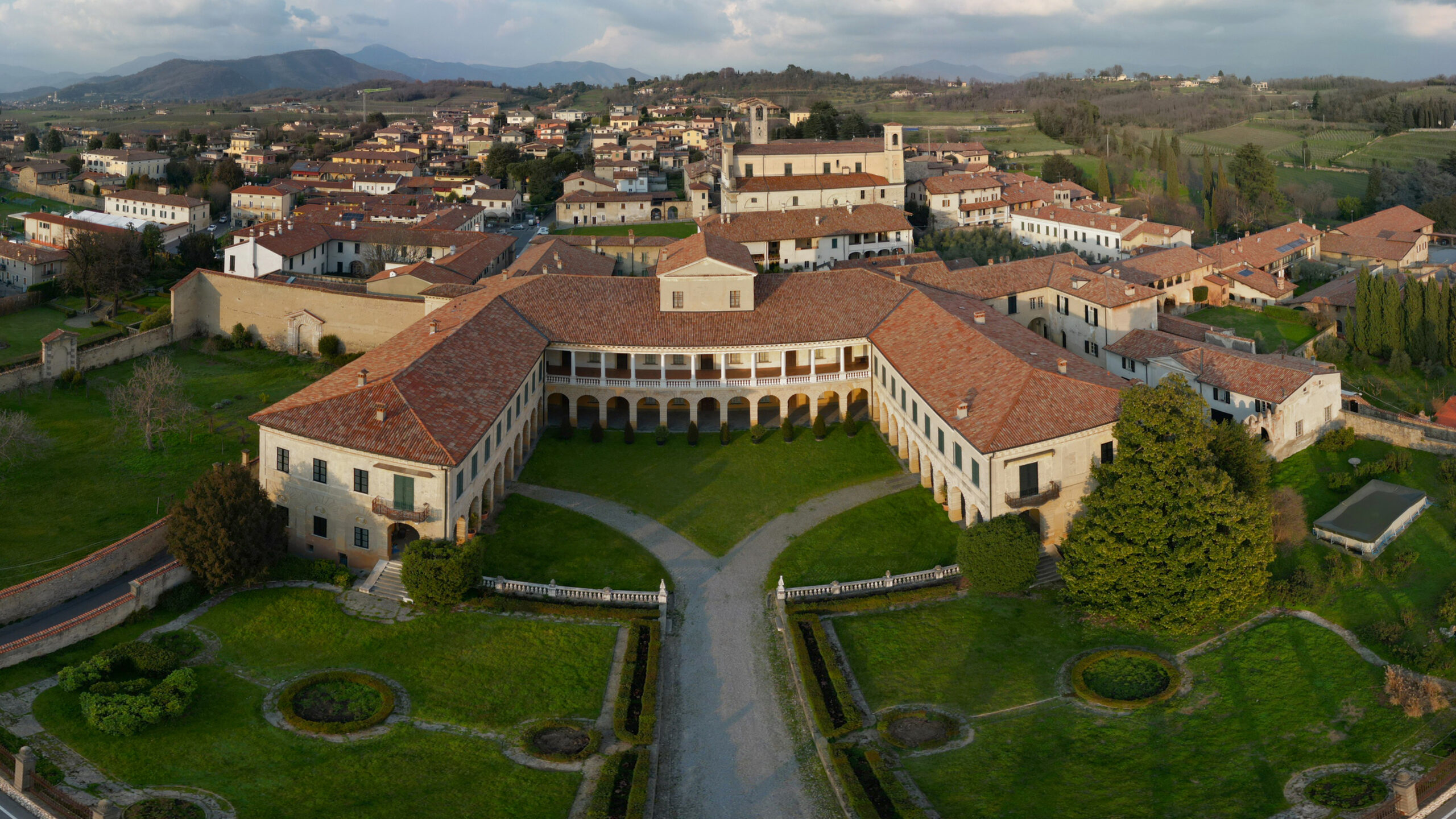
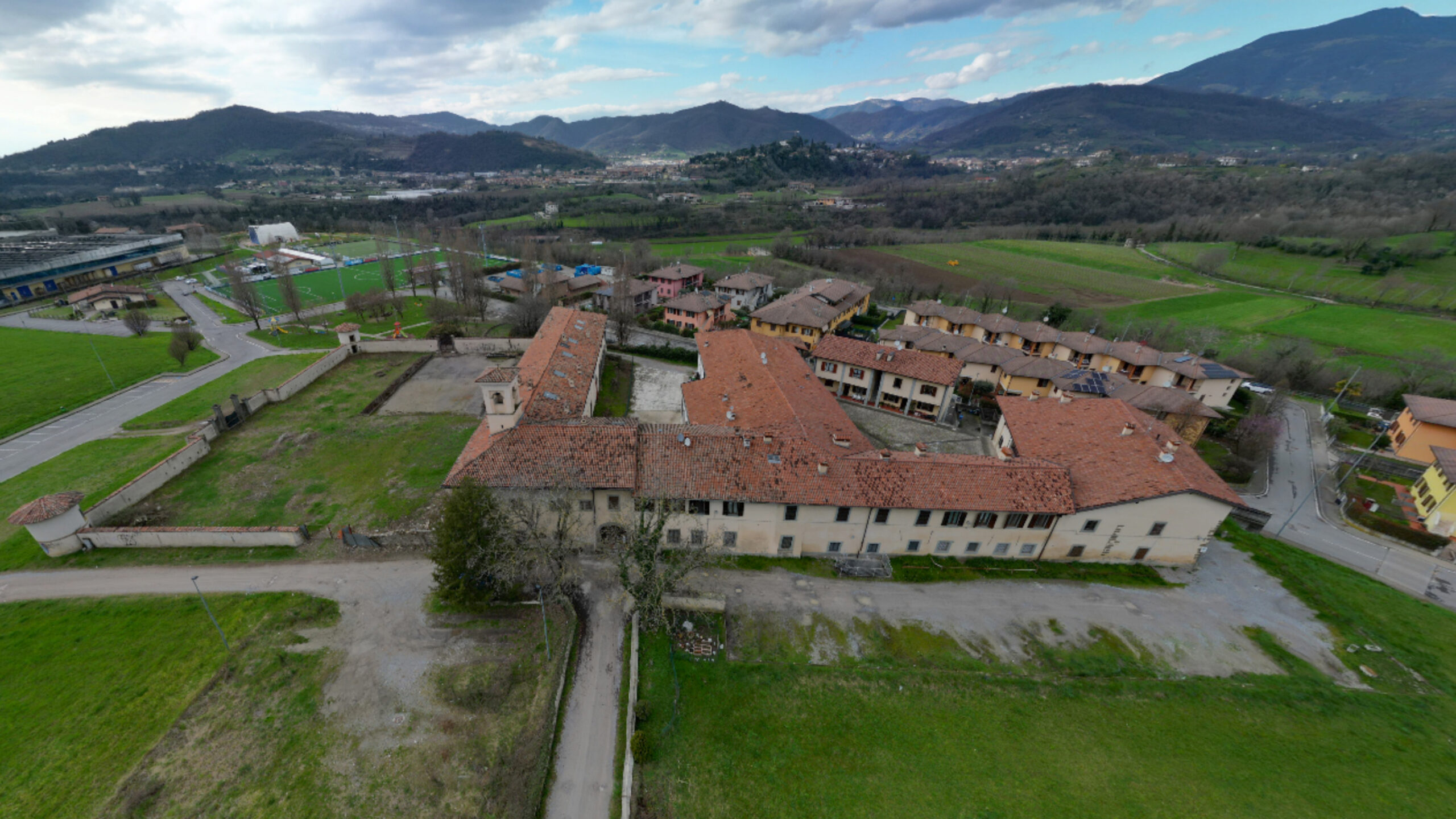
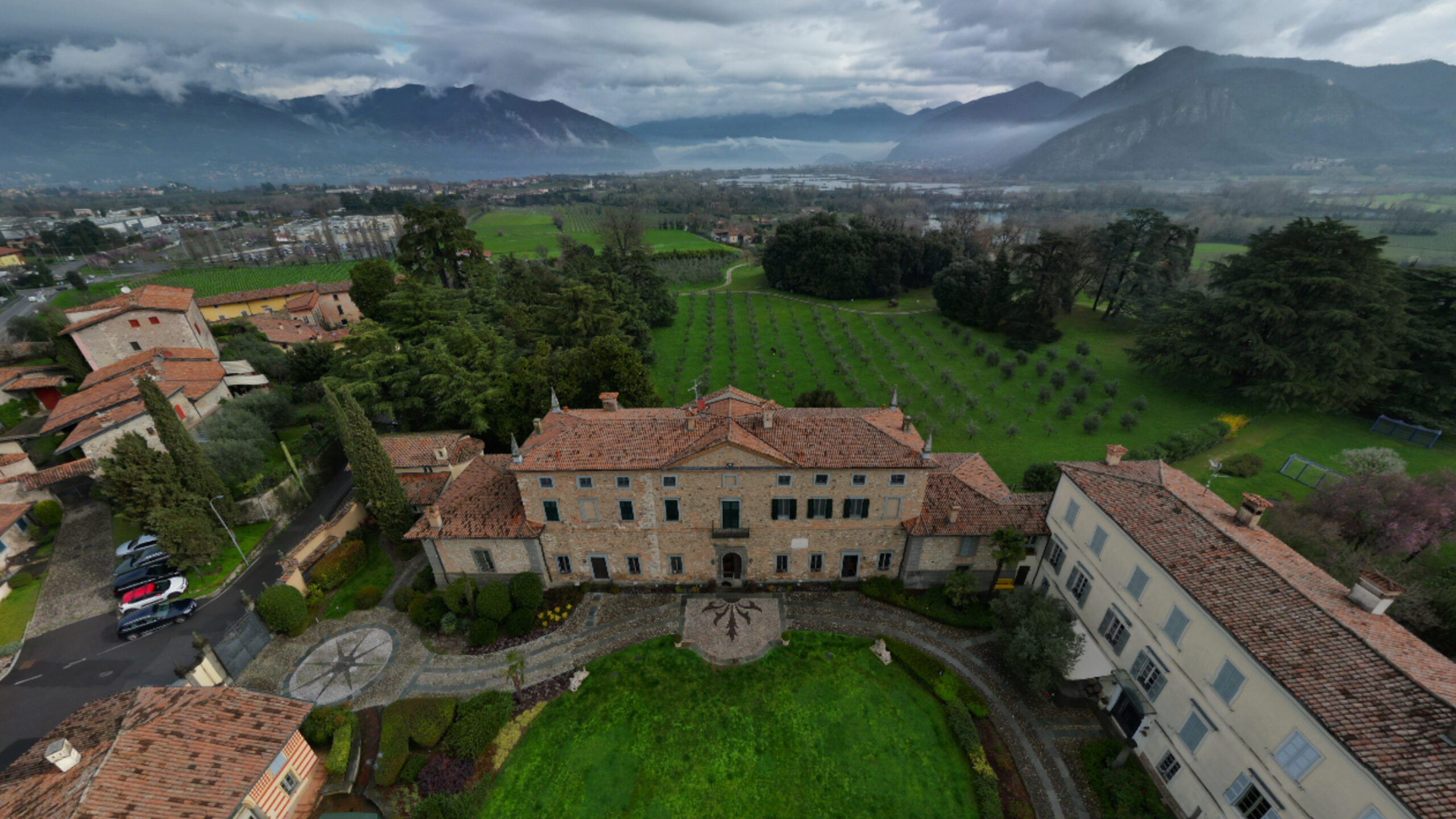
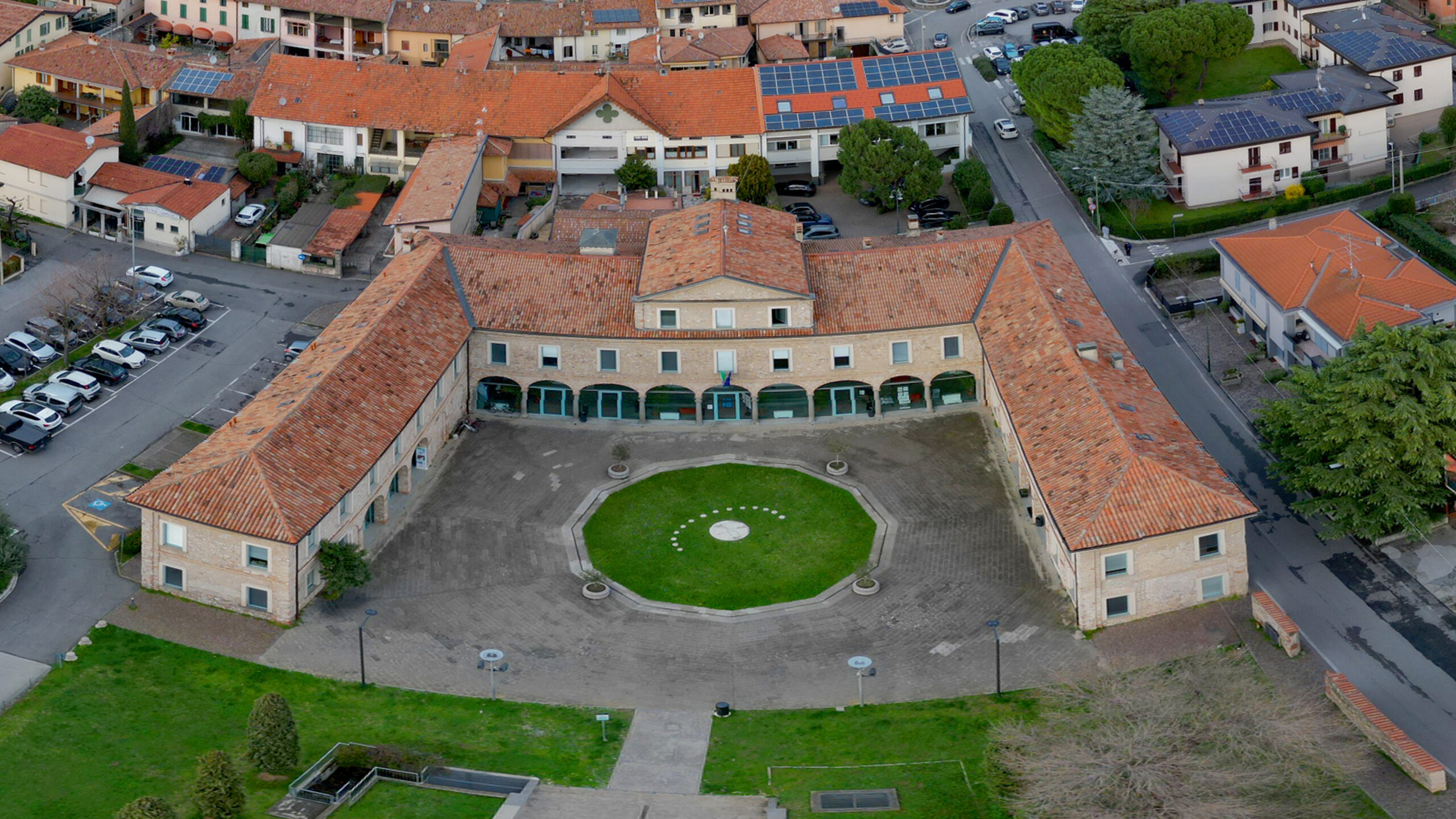
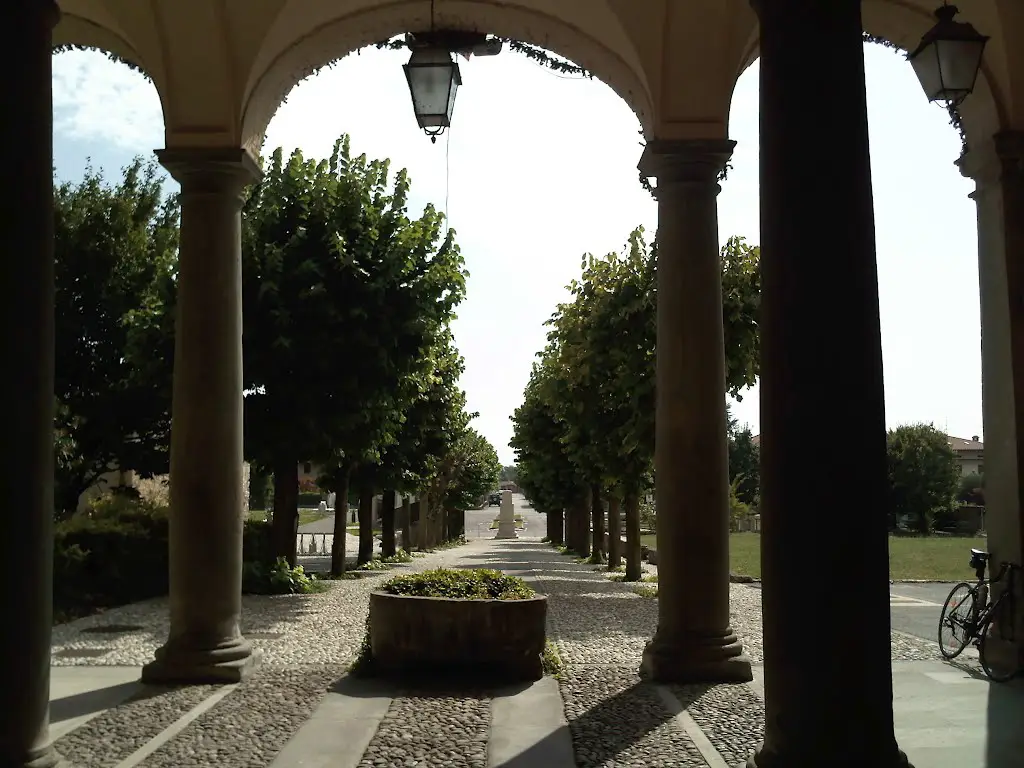
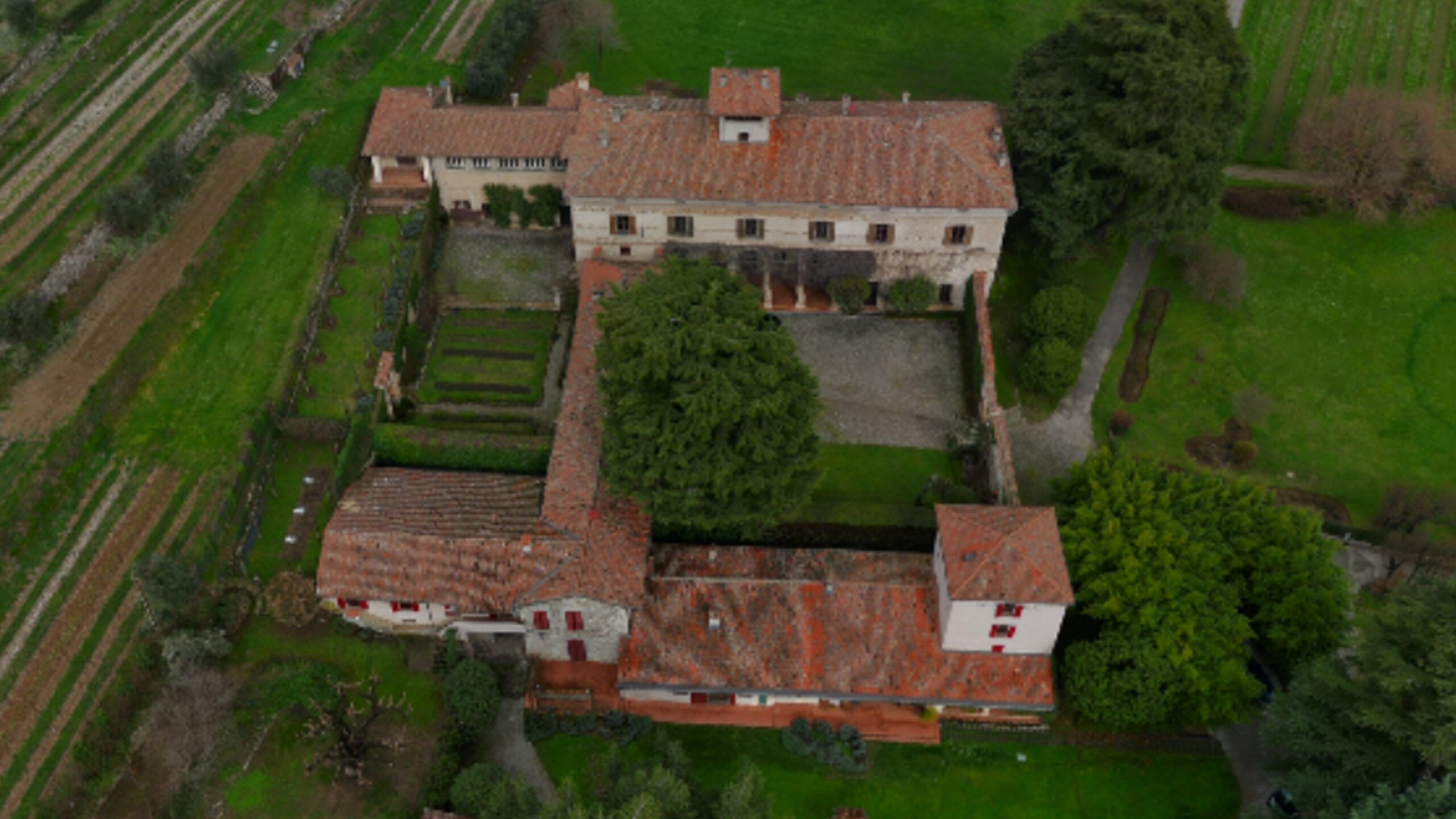
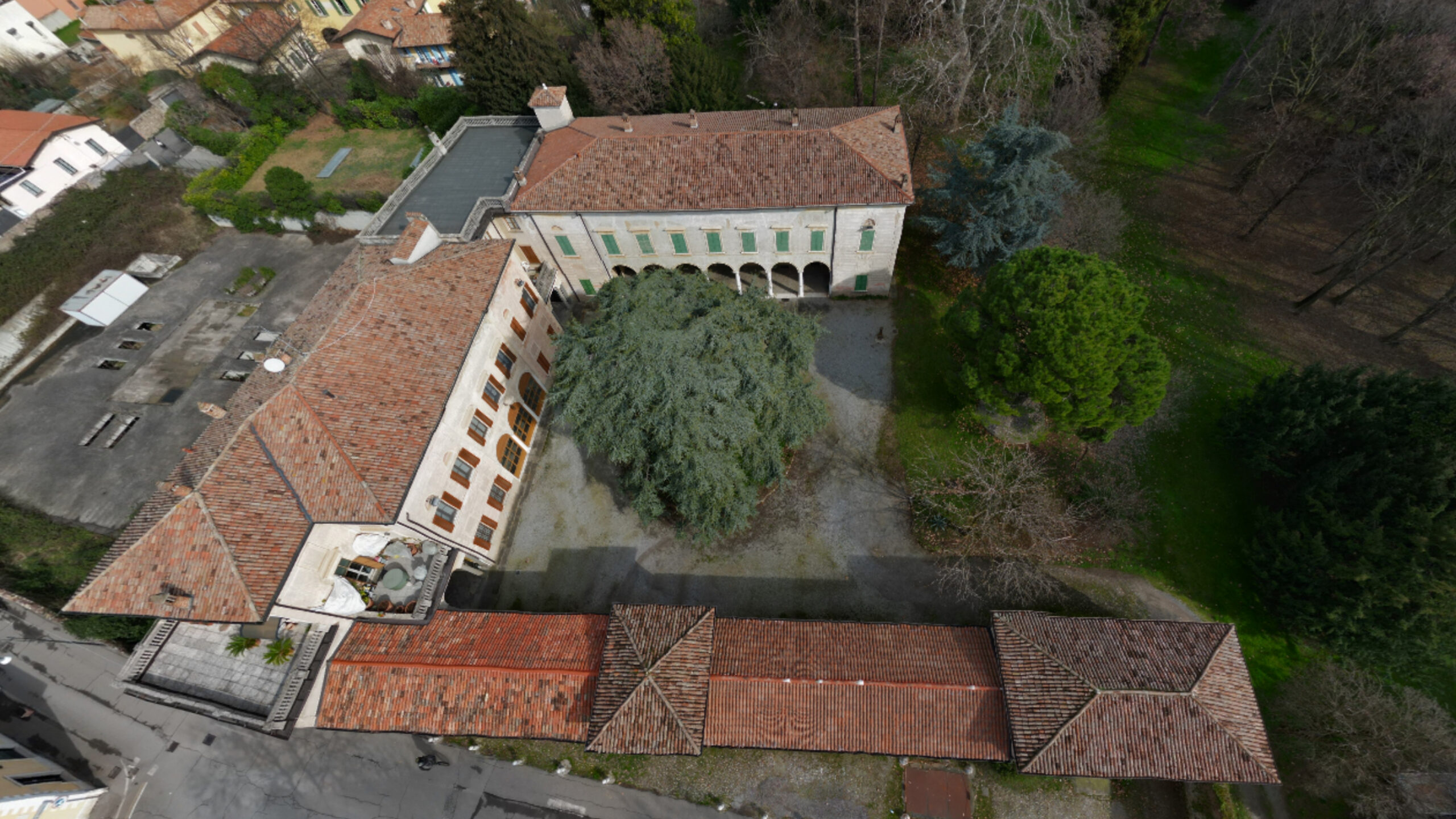
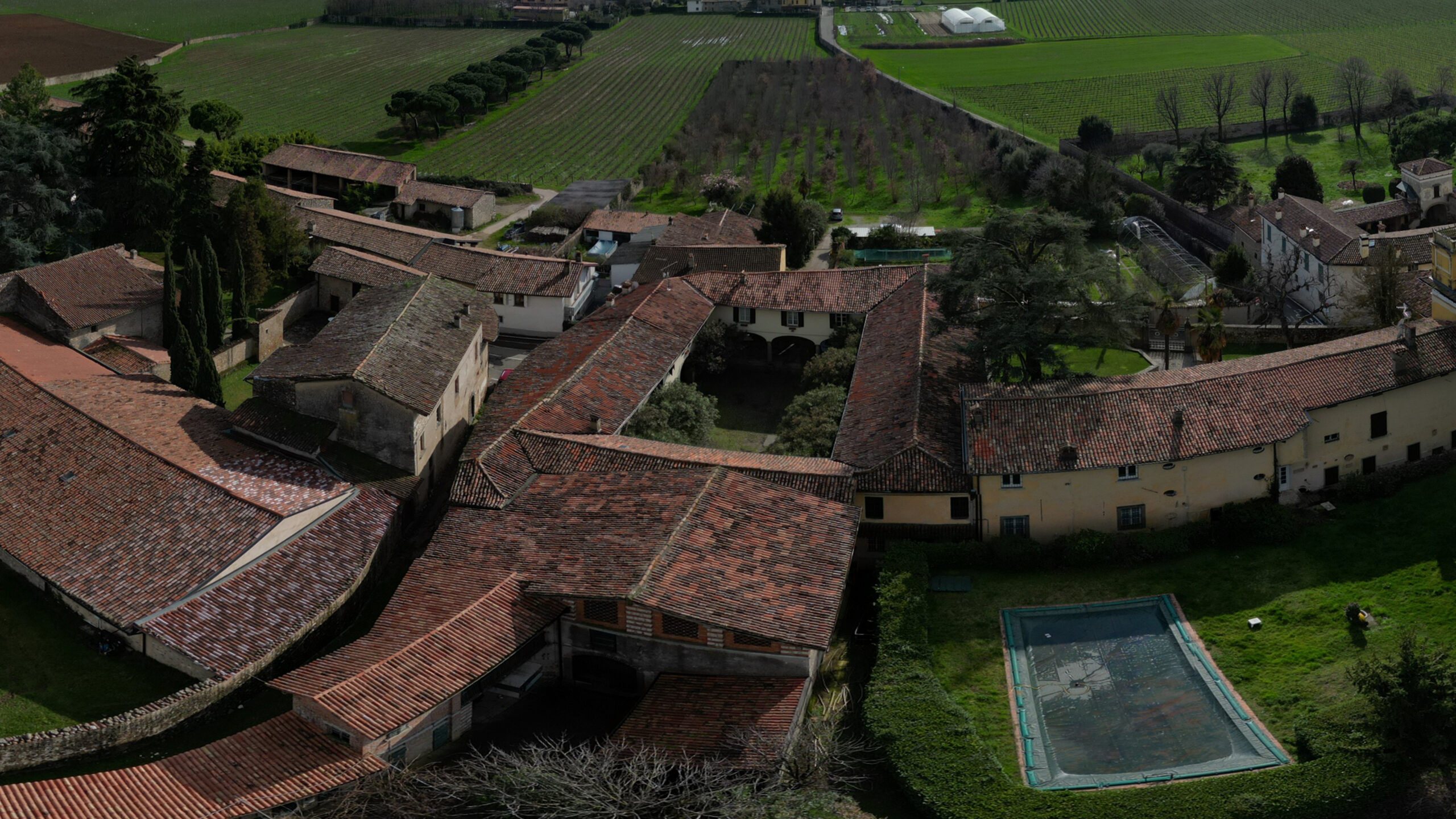
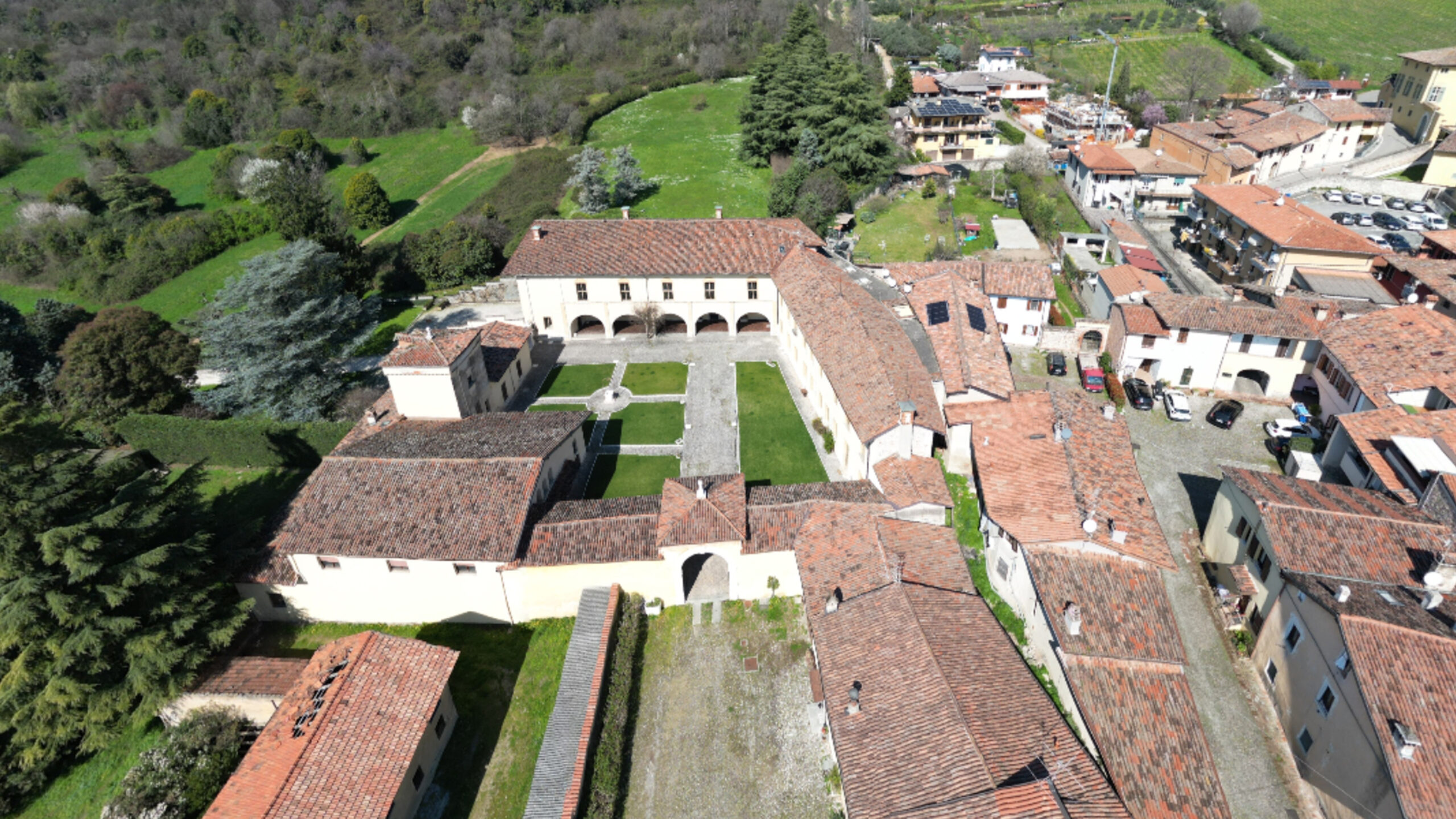
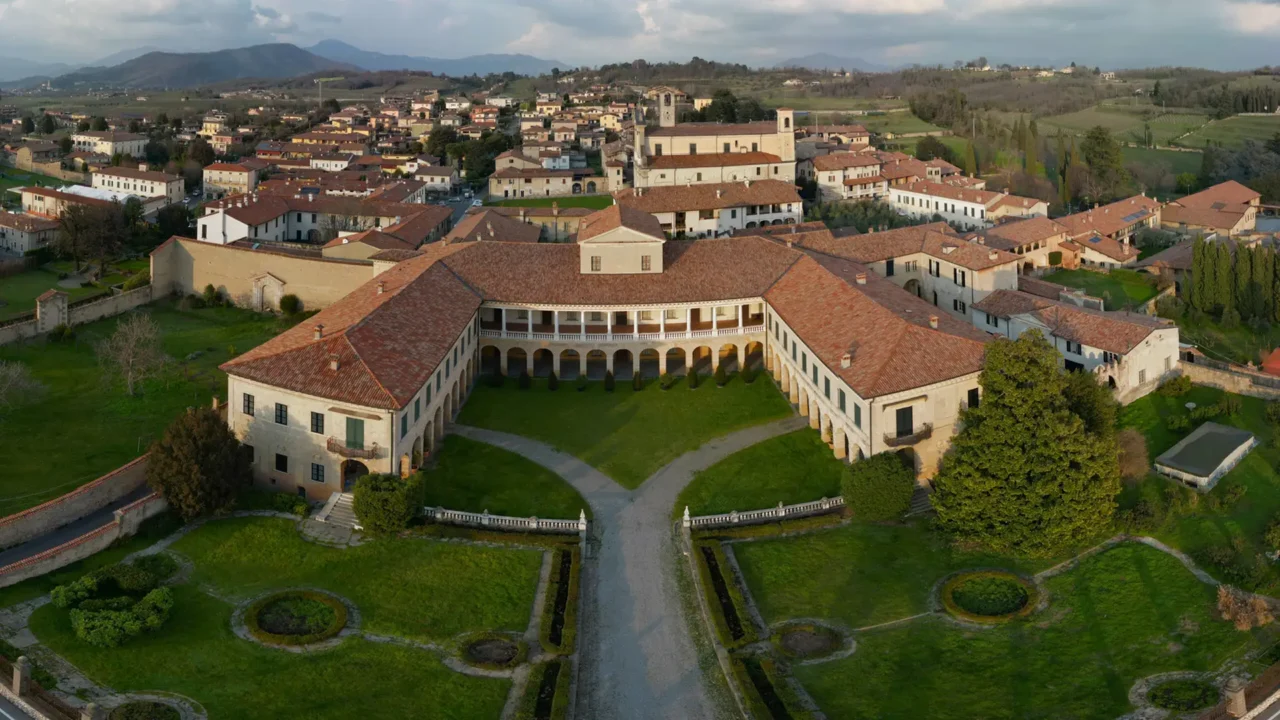
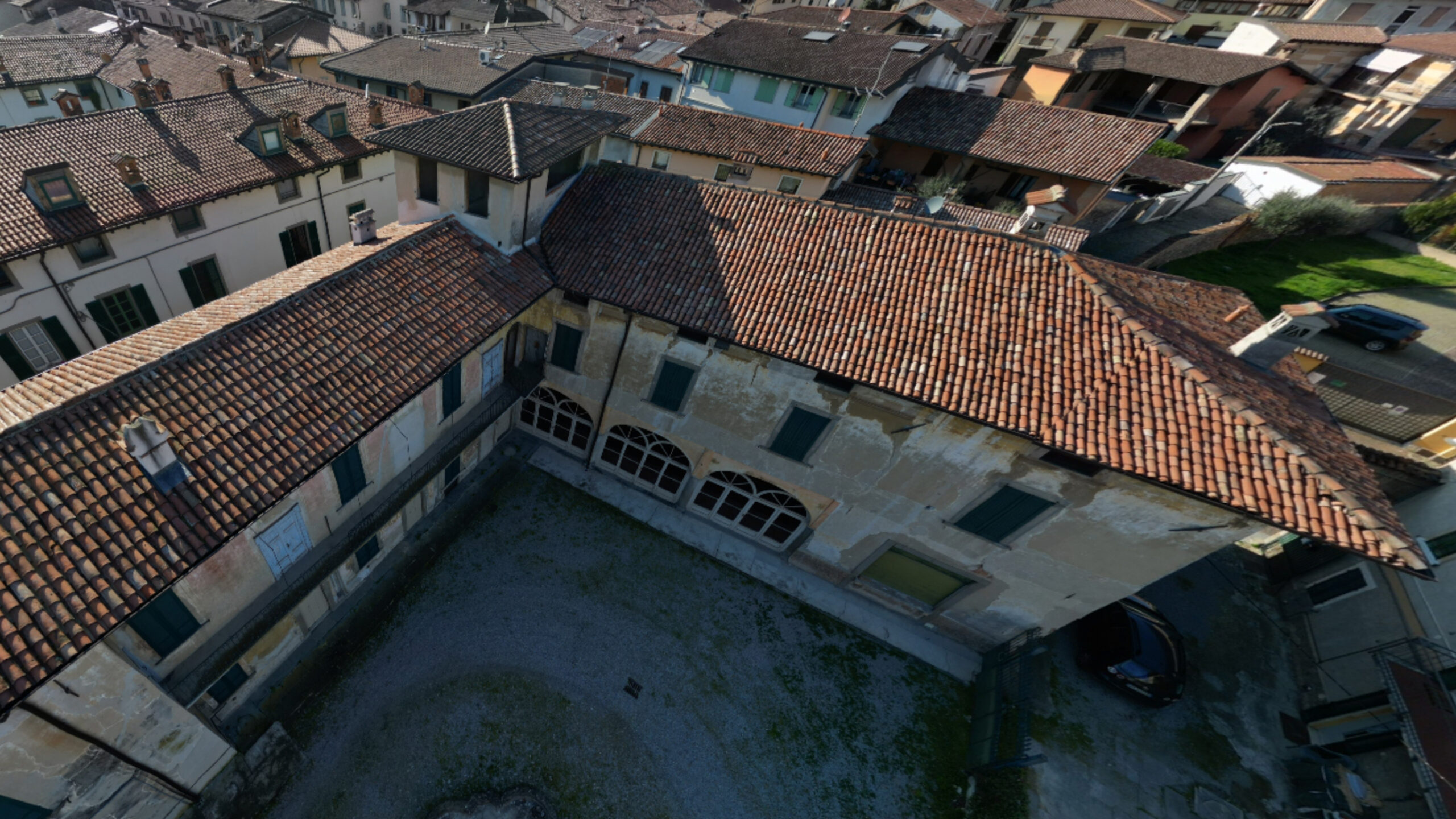
Originally built as a rural structure, it is the result of a series of successive renovations carried out over a long period of time, spanning from the late Renaissance to the 20th century. The 1641 property assessment lists the Urgnani family as the former owners, who retained possession for at least another two centuries, until, in 1834, the building changed hands, passing to the nobleman Gioacchino Vallucci: he was responsible for the first transformations of the property from a rural structure into a true stately home, involving the demolition of the east wing and the creation of a new entrance facing the street. These transformations are responsible for the appearance that can still be admired today: a palace with a courtyard and orchard, enhanced on the first floor by a portico, which was once open to the outside but was converted into a veranda through the addition of glass windows—a transformation common in the 19th- and 20th-century renovations of historic residences. But the true richness of the residence lies in its history and in the history of the families who owned it
Antonio Rampana, Annunciata Cicogna, and Eduino Damioli
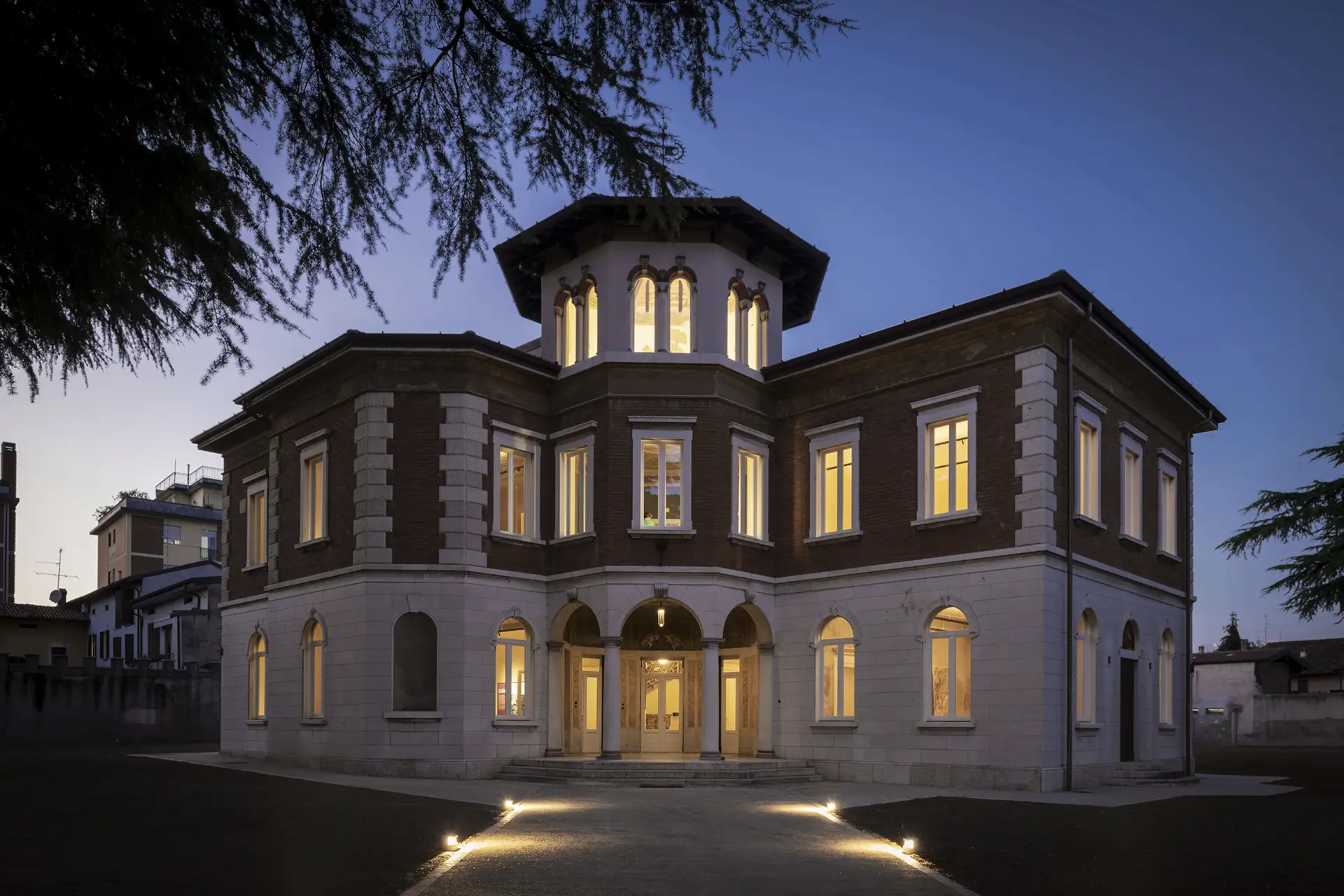
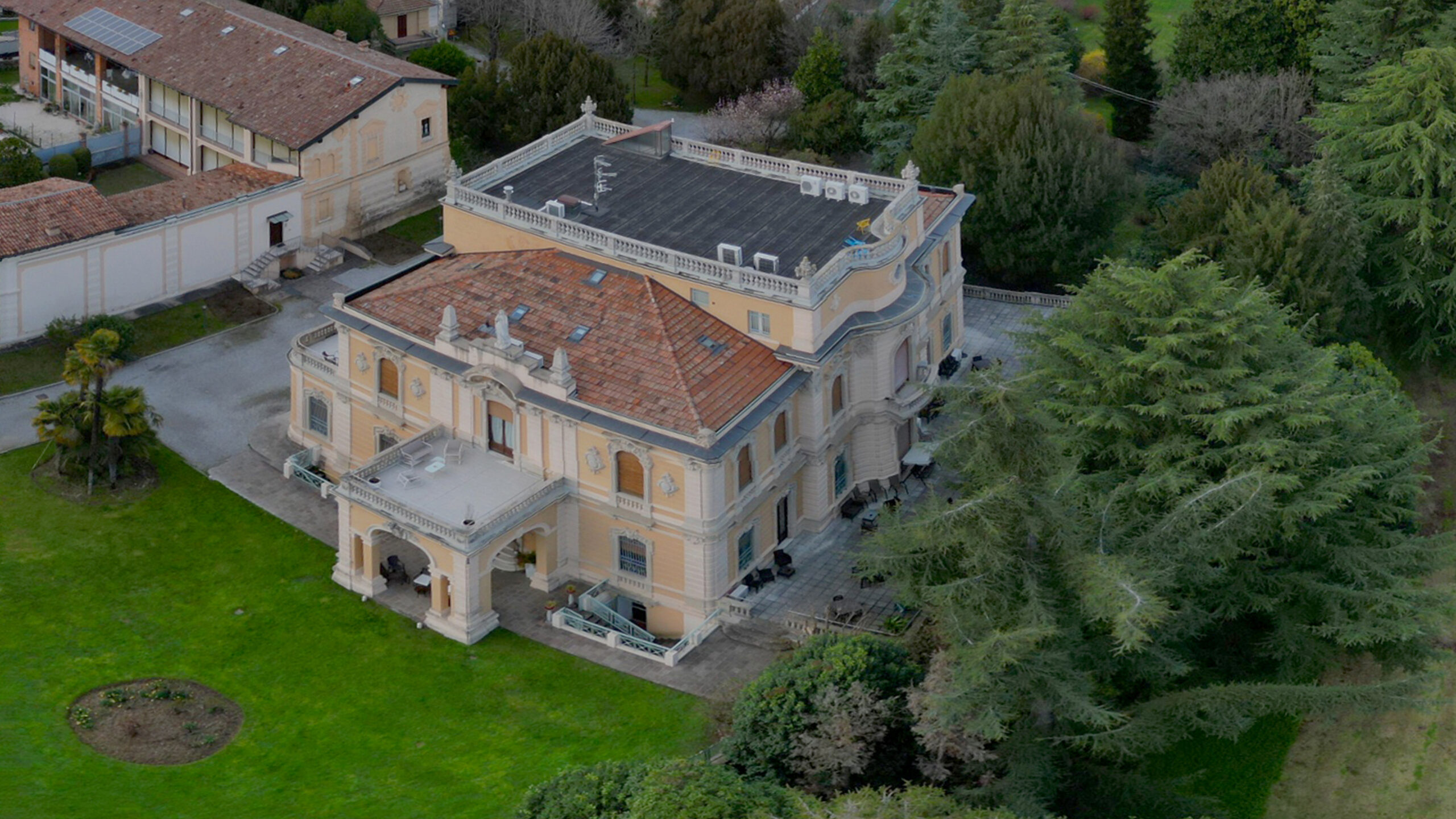
A significant moment occurred in 1879, when the villa became the property of Antonio Rampana (Palazzolo, 1845–1891): a painter, sculptor, and decorator, the artist worked on major commissions in Bergamo and led an adventurous life, moving to India and earning acclaim for prestigious works in Bombay. Upon returning to his homeland, he married Annunciata Cicogna, a cultured teacher from Chiari and the daughter of an industrialist: he transferred ownership of the villa in Palazzolo to her before dying tragically, swept away by the waters of the Oglio River. Left a widow, Annunciata Cicogna married the painter and decorator Eduino Damioli in her second marriage; he was the son of Chiara Rampana and the nephew of Antonio. The fact that it had been home to artists contributed to the design and decoration of the residence, which, upon Annunciata’s death in 1921, was inherited by Eduino, who stipulated in his will that it be used as the headquarters of a cultural foundation bearing the names of the two families.
The Founding of the Cicogna-Rampana Foundation
It was from this desire that the Cicogna-Rampana Foundation was established; since 1989, it has been dedicated to the arts and the study of local history.
Damioli Park and the regeneration project
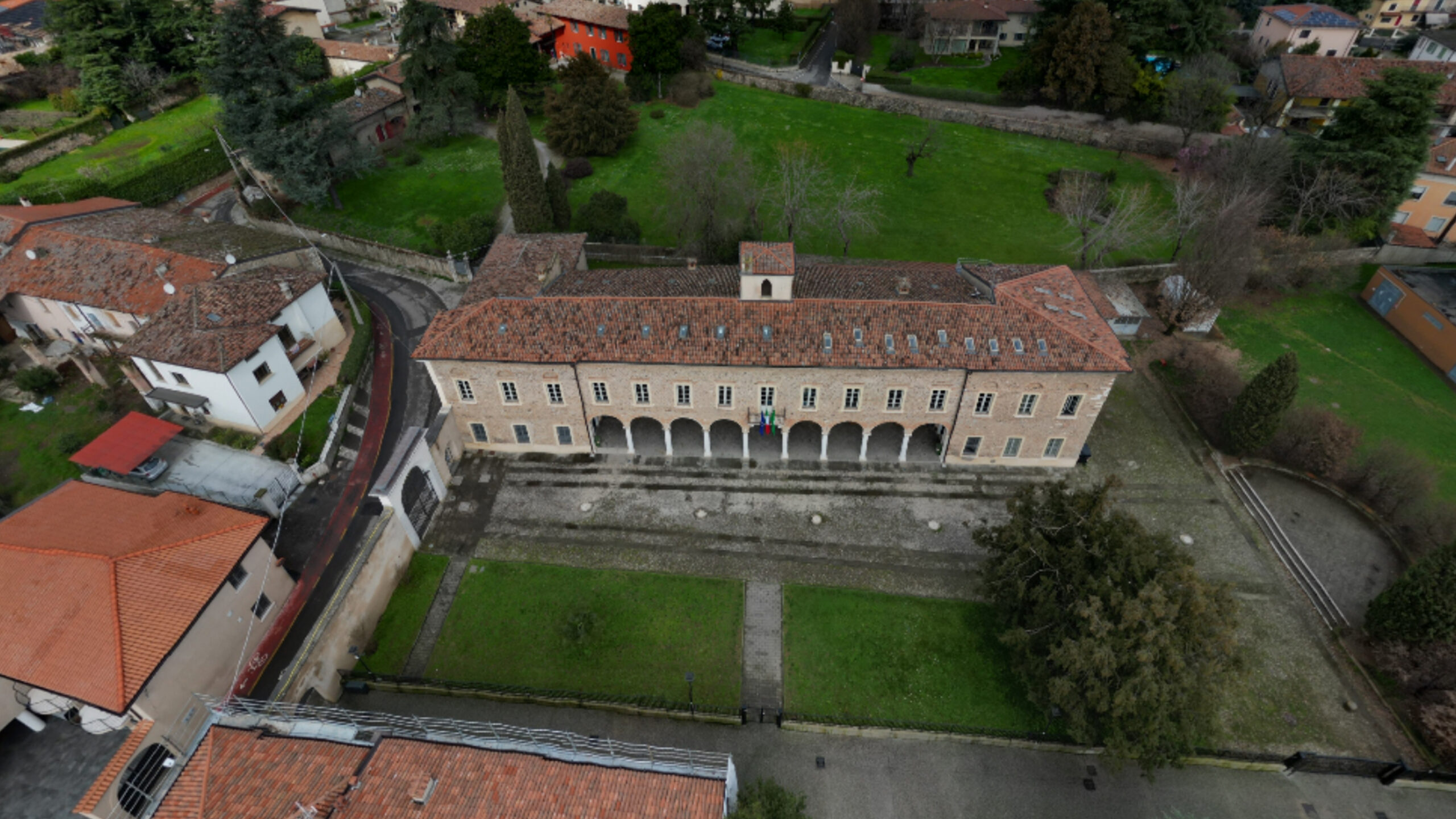
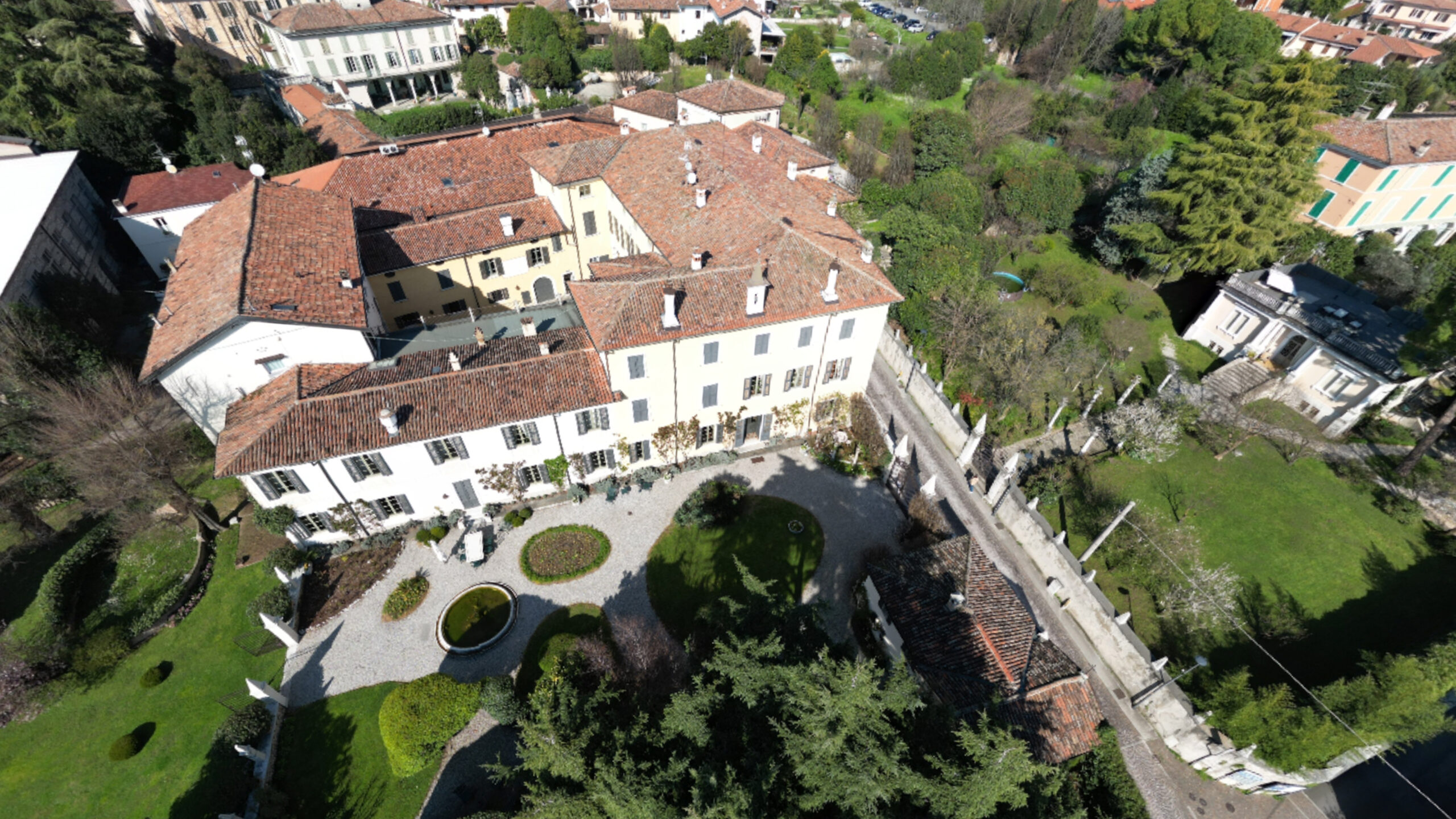
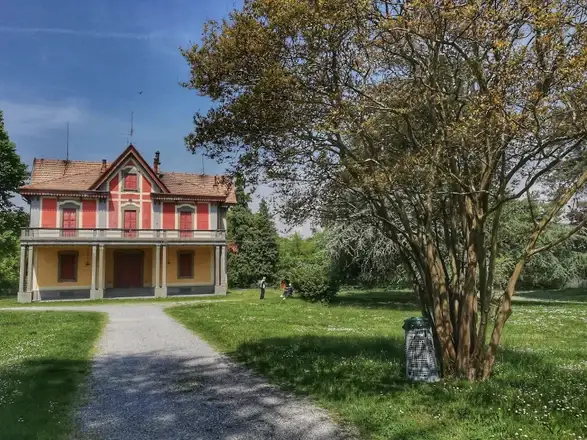
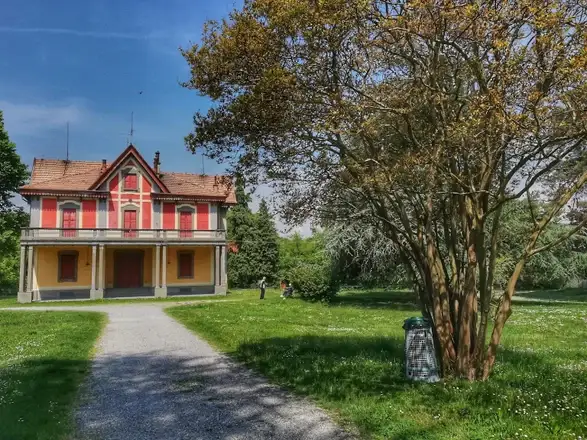
Enclosed by a perimeter wall adorned with obelisks, the villa is surrounded by a lush garden, the Damioli Park, which is open to the public and underwent a renovation project completed in 2001.
Links and useful information


Visiting hours: The park is open daily. To visit other sites and the historical archive, please contact the Cicogna Rampana Foundation.
Privately owned property